


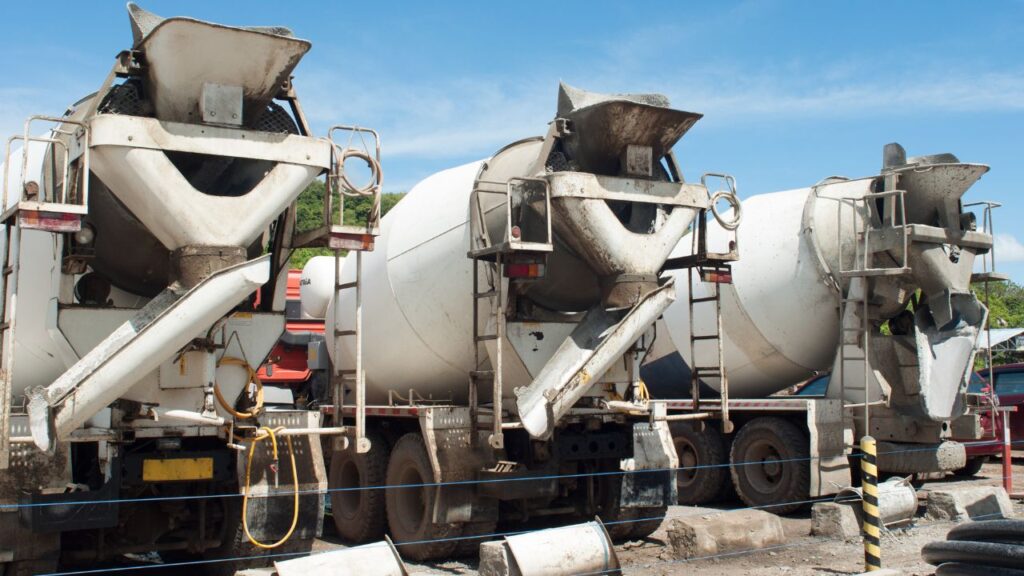
Construction truck insurance in California protects dump trucks, crane vehicles, and jobsite haulers from liability and property exposures during material transport and worksite operations. These vehicles face severe accident potential, equipment theft, and heavy-load risks that require specialized coverage beyond basic commercial auto policies. California’s $4.72 billion commercial auto liability market reflects the scale of this exposure, with construction-specific insurance positioned as a layered solution rather than a single policy purchase.
Work trucks are custom-configured vocational vehicles supporting maintenance, repair, utility installation, construction work, and farming operations across the state. Construction trucks accounted for 35% of the vocational truck market in 2023, creating substantial demand for worksite vehicle coverage that addresses both on-road liability and off-site property protection.
Key Takeaways
- Construction trucks represented 35% of the vocational truck market in 2023, requiring specialized coverage beyond standard commercial auto policies
- California recorded $4.72 billion in commercial auto liability premiums in 2024, with dump truck insurance averaging $987 monthly
- Layered protection combining commercial auto, inland marine, and builders’ risk addresses jobsite exposures, equipment theft, and material transit risks
- Telematics and video systems reduce accident costs by an average of 22% while controlling insurance premiums
- Los Angeles, San Diego, and Riverside counties concentrate 46.98% of California’s truck registrations, influencing regional pricing
What Is Construction Truck Insurance and Why Is It Important?
Definition and Scope of Construction Truck Insurance
Construction truck insurance provides liability and physical damage protection for specialized vehicles hauling materials, equipment, and debris between yards and jobsites. Work trucks supporting construction operations require custom policy structures addressing vocational use, heavy loads, and frequent off-premises exposure. These policies extend beyond commercial truck insurance in California frameworks by incorporating inland marine, builders’ risk, and installation coverages.
California’s concentration of 17,113,763 registered trucks creates a vast exposure base for construction insurance carriers. Construction fleets operate dump trucks, crane units, and contractor pickups under conditions that generate higher severity claims than standard commercial vehicles.
Unique Risks and Coverage Needs for Worksite Vehicles
Construction operations create severe accident potential from heavy loads, theft of equipment, and jobsite circulation hazards. Dump trucks face higher accident severity due to material weight and frequent backing maneuvers in confined spaces. Tool theft from service vehicles remains a persistent exposure, particularly in urban metro areas where equipment values concentrate.
Progressive reports that heavy equipment and construction truck insurance addresses liability for bodily injury, property damage, and specialized property protection. Contractors operating between Los Angeles County’s 1,126,000 truck registrations and jobsite locations require layered coverage addressing both transportation and worksite exposures.
How Construction Truck Insurance Fits Within Commercial Auto Policies
Specialized work truck insurance should be positioned as a layered risk-management solution rather than a single policy purchase. Construction fleets often need commercial auto plus inland marine and project-related property protection to address gaps in basic liability policies. This approach recognizes that construction losses frequently involve tools, materials, rented equipment, and off-site property not covered under standard auto-only protection.
California recorded $4.72 billion in commercial auto liability written premiums and $1.28 billion in physical damage premiums in 2024. Construction-specific policies build upon this foundation by adding contractors’ equipment, materials in transit, and installation coverage where contracts require additional protection.
What Types of Vehicles Are Covered Under Construction Truck Insurance?
Common Construction Truck Types and Their Uses
Dump trucks, contractor pickups, crane vehicles, and material-haul units dominate construction fleet composition across California’s job sites. Progressive reports a $272 monthly average and a $212 median for contractor autos, while dump trucks average approximately $987 monthly. These pricing differences reflect vehicle weight, load capacity, and operational severity affecting underwriting risk.
Construction trucks operate primarily in yard-to-jobsite hauling patterns, transporting aggregate, debris, tools, and building materials under frequent loading and unloading conditions. Los Angeles, San Diego, Riverside, Orange, and San Bernardino counties account for 46.98% of California’s fee-paid truck registrations, concentrating construction vehicle exposure.
Special Vehicle Equipment and Attachments to Consider
Service bodies, cranes, dump bodies, toolboxes, and material racks modify base truck platforms into specialized construction vehicles. These attachments create additional property exposure requiring inland marine or scheduled equipment coverage beyond basic physical damage limits. Bucket trucks and digger derricks introduce elevated-work exposure, while flatbeds and stake-bed configurations support diverse hauling applications.
Insurers evaluate attached equipment separately from the base vehicle when calculating replacement cost and exposure. Understanding the different truck insurance coverage options helps contractors identify gaps between auto liability and property protection for specialized attachments.
Differentiating Construction Trucks From Other Vocational Trucks
Construction trucks perform yard-to-jobsite hauling versus agricultural trucks serving farm-premises use or utility trucks dispatched to customer sites. This operational distinction drives policy structure, with construction fleets requiring builders’ risk and installation coverage not typically needed by agricultural operations. Utility trucks focus on mobile service and carry tools, while construction units emphasize material transport and jobsite circulation.
Agricultural buyers place farm trucks on commercial auto policies packaged with farm coverage, reflecting different radius-of-operation and seasonal-use patterns. Utility-service businesses structure programs around owned commercial auto, hired and non-owned auto, and separate tools-and-equipment coverage addressing field-dispatch exposure.
How Does Construction Truck Insurance Differ From Other Specialized Work Truck Insurance?
Comparing Construction, Agricultural, and Utility Truck Insurance
Construction fleets often need commercial auto plus inland marine and project-related property protection, addressing material transit and jobsite exposures. Agricultural fleets often need commercial auto packaged with a farm policy, plus non-owned auto and downtime-oriented endorsements for seasonal operations. Utility fleets frequently need owned-auto coverage, hired and non-owned auto, and separate tools-and-equipment coverage because businesses use owned service trucks, rented vans, and employee personal vehicles.
Agricultural buyers should place farm and ranch trucks on a commercial automobile policy packaged with the farm policy. Utility-service businesses need a three-part structure: owned commercial auto, HNOA, and tools or equipment coverage addressing mobile dispatch patterns.
Key Coverage Distinctions and Endorsements for Construction Fleets
HNOA covers bodily injury and property damage liability for rented, leased, borrowed, or employee-owned vehicles used for business operations. Construction fleets should buy commercial auto as the foundation, then add inland marine for contractors’ equipment and materials in transit. Builders’ risk, installation coverage, and riggers liability address contract-driven insurance requirements common in commercial construction projects.
Essential coverage options for commercial truck insurance include uninsured motorist protection, physical damage, and specialized liability endorsements addressing heavy-load operations. These components create comprehensive protection addressing both transportation and worksite liability exposures across California’s construction markets.
Pricing Tiers and Premium Factors Specific to Construction Trucks
Budget pricing ranges from $212 to $350 for construction contractors, $200 to $300 for agricultural operators, and $180 to $250 for utility services. Premium pricing reaches $700 to $1,400-plus for construction fleets, $500 to $800-plus for agricultural operations, and $400 to $650-plus for utility businesses. Dump trucks sit materially higher at approximately $987 monthly, reflecting heavy units, material hauling, and larger-loss potential.
Forty percent of small commercial auto customers pay under $200 monthly, while 29% pay $200 to $400 monthly before adjusting for heavier truck classes. Construction truck insurance for construction trucks incorporates vehicle weight, equipment value, jobsite exposure, and claims history when calculating final premiums.
What Coverage Components Are Essential for Construction Trucks in California?
Commercial Auto Liability and Physical Damage Coverage
California recorded $4.72 billion in commercial auto liability written premium in 2024, establishing the state’s commercial vehicle exposure base. California recorded $1.28 billion in commercial auto physical damage written premium in 2024, supporting comprehensive and collision protection for construction fleets. These components provide bodily injury, property damage, and vehicle replacement coverage, forming the foundation of construction truck programs.
Worksite vehicle coverage addresses yard-to-jobsite hauling patterns where trucks transport materials, equipment, and debris under frequent loading conditions. Liability limits must align with contract requirements and potential severity, particularly for heavy dump trucks operating in dense urban areas.
Inland Marine and Builders’ Risk Insurance for Materials and Tools
Inland marine coverage protects contractors’ equipment, tools, and materials in transit or stored at jobsites against theft and physical damage. Builders’ risk insurance addresses property under construction, installation exposures, and project-specific property gaps not covered under commercial auto policies. These coverages prove essential because construction losses frequently involve off-site property, rented equipment, and materials awaiting installation.
Equipment transport liability exposures arise when contractors move valuable machinery between project locations using specialized hauling units. Inland marine policies extend protection beyond the vehicle itself to address cargo, tools, and equipment stored in service bodies or transported on flatbed units.
Uninsured/Underinsured Motorist and Specialized Liability Endorsements
Uninsured and underinsured motorist protection addresses bodily injury and property damage when at-fault parties lack adequate coverage. California’s urban concentration creates elevated third-party collision risk, particularly in Los Angeles County’s 1,126,000-truck registration environment. Specialized liability endorsements cover installation work, riggers’ liability, and pollution exposures arising from construction operations.
Regional factors that impact commercial truck insurance quote calculations include county-level accident frequency, theft rates, and litigation patterns. Construction contractors operating across multiple California counties require consistent coverage addressing variable local exposure conditions.
How Can Contractors Manage Risks and Control Insurance Costs Effectively?
Role of Telematics, Driver Monitoring, and Fleet Technology
Eighty percent or more of fleet respondents used at least one fleet technology solution across consecutive survey years. Seventy-five percent said video solutions were extremely or very beneficial in reducing accidents, while users reported average savings, including 13% on insurance costs. Safety training, camera systems, and telematics should be positioned as premium-control measures as well as operational risk-management tools.
GPS fleet tracking improves driver safety by monitoring speed, harsh braking, and route adherence in real time. How telematics can help truckers save on insurance demonstrates that video systems and monitoring reduce accident costs by an average of 22% while supporting claims defense.
Safety Training and Operational Risk Control Measures
Driver training programs addressing backing procedures, load securement, and jobsite circulation reduce severe accidents and workers’ compensation claims. Construction industry risk insurance premiums reflect claims history, so consistent safety protocols directly influence renewal pricing. Fleet managers should conduct regular driver reviews, particularly when adding seasonal workers or temporary staff during peak construction periods.
Annual driver-list reviews ensure all operators maintain proper licensing and acceptable driving records under carrier underwriting requirements. How to keep your commercial truck insurance cost low emphasizes that proactive risk control measures generate measurable premium savings over multi-year periods.
Importance of Contract-Driven Insurance Requirements and Compliance
Commercial construction contracts frequently mandate specific liability limits, additional insured endorsements, and builders’ risk coverage addressing project owner requirements. Contractors must align insurance programs with contractual obligations to avoid coverage gaps and project delays during certificate-of-insurance reviews. Contract-driven requirements often exceed minimum statutory limits, particularly for public works projects and large commercial developments.
Compliance with federal and state regulations affects both coverage design and premium calculation for construction fleets operating across California. How to choose the best coverage for your truck helps contractors match policy structure to operational needs and contractual obligations.
What Regional and Demographic Factors Influence Construction Truck Insurance in California?
Concentration of Truck Registrations in Key California Counties
California has 17,113,763 trucks registered in 2024, exceeding Texas’s 15,933,517 and establishing the nation’s largest truck exposure base. Los Angeles County has 1,126,000 truck registrations, while San Diego County has 500,744 registrations, concentrating construction vehicle demand in major metropolitan markets. Riverside, Orange, and San Bernardino counties add 433,106, 428,236, and 389,828 registrations, respectively, creating substantial Inland Empire exposure.
California versus Texas truck registrations total 17.11 million versus 15.93 million, with California’s urban density concentrating construction activity in fewer geographic areas. The top five counties account for approximately 46.98% of California’s fee-paid truck registrations, influencing regional pricing and coverage availability.
Age and Profile of Construction Industry Decision-Makers
Electricians have a median age of 39.6 years, while plumbers have a median age of 40.2 years, suggesting contractor fleet decisions concentrate among late-30s to early-40s business owners. Construction workers have a median age of 41.0 years, indicating mature owner-operator and supervisor demographics driving insurance purchasing behavior. The average California farmer’s age is 58.4 to 59.9 years, materially older than the construction and utility segments.
Construction decision-makers prioritize trust, price for coverage, and product offerings when selecting insurance carriers and policy structures. Mature workforce demographics correlate with a stronger emphasis on claims handling, uptime protection, and long-term agent relationships over price-only considerations.
Urban Versus Rural Operational Considerations for Construction Fleets
California is 97.8% urban and 2.2% rural under USDA metropolitan definitions, concentrating construction vehicle exposure in developed metro corridors. Urban construction fleets face elevated liability from dense traffic, pedestrian activity, and frequent jobsite access in congested areas. Rural agricultural concentration in Fresno, Tulare, Kern, and San Joaquin counties creates distinct operational patterns not applicable to metro construction operations.
Construction contractors operating in the Los Angeles Basin, Inland Empire, and Bay Area markets require coverage addressing urban accident frequency and severity patterns. Policy design must reflect operational territory, with urban fleets emphasizing liability limits and rural operators balancing property protection.
How Should Construction Truck Insurance Be Integrated With Broader Risk Management Strategies?
Layered Insurance Approach Combining Auto, Inland Marine, and Property Coverage
Construction insurance programs require commercial auto liability as the foundation, followed by inland marine for contractors’ equipment and materials in transit. Physical damage coverage addresses vehicle replacement, while builders’ risk fills gaps for property under construction and installation exposures. This layered approach recognizes that auto-only policies leave substantial property and operational exposures unaddressed.
Contractors should coordinate liability limits, deductibles, and endorsements across all policy layers to avoid coverage gaps and duplication. Specialized work truck insurance, positioned as a layered risk-management solution, addresses transportation, property, and contractual exposures under a unified program structure.
Addressing Off-Site Property Exposures and Materials Transit
Materials stored at jobsites, tools left in service vehicles overnight, and equipment transported between project locations create property exposures beyond commercial auto coverage. Inland marine policies extend protection to off-premises property, addressing theft, vandalism, and physical damage during transit or temporary storage. Contractors hauling high-value equipment or materials should schedule specific items to ensure adequate limits.
Equipment transport liability arises when damage to cargo or third-party property occurs during material hauling between yards and jobsites. Separate cargo coverage or inland marine endorsements address these exposures not included under basic commercial auto liability.
Coordinating Coverage With Subcontractors and Rental Equipment Use
General contractors must verify that subcontractors maintain adequate liability and workers’ compensation coverage before project commencement. Rental equipment requires special attention, as basic commercial auto policies may exclude rented vehicles or limit coverage to specific rental durations. HNOA addresses liability for rented, leased, or borrowed vehicles, but does not provide physical damage protection for the rented unit itself.
Additional insured endorsements extend liability protection to project owners, general contractors, and property managers as required by construction contracts. Coordinating these endorsements across subcontractor certificates ensures compliance and reduces gaps in layered protection structures.
Construction Truck Insurance in California: A Comprehensive Approach to Coverage and Risk Management
Construction truck insurance in California demands layered protection combining commercial auto liability, inland marine coverage, and builders’ risk policies addressing heavy-load operations and jobsite exposures. California’s $4.72 billion commercial auto liability market supports specialized coverage for dump trucks averaging $987 monthly and contractor vehicles at $272 monthly. Construction fleets operating across Los Angeles, San Diego, and Inland Empire counties require policies addressing urban accident frequency, equipment theft, and contract-driven insurance requirements.
Contractors should structure programs around commercial auto as the foundation, then add inland marine for tools and materials, physical damage for vehicle replacement, and uninsured motorist protection. Telematics, video systems, and safety training reduce accident costs by 22% while controlling premium increases in California’s competitive construction insurance market. Strong Tie Insurance provides specialized construction truck insurance in California, guidance addressing worksite vehicle coverage, equipment transport liability, and construction industry risk insurance across all California operating territories.
Get Construction Truck Insurance That’s Built for the Job Site
Running a construction fleet in California means managing more risk than a standard commercial auto policy can handle. Between dump trucks hauling heavy loads, service vehicles carrying expensive tools, and contracts that demand specific liability limits, you need coverage that’s structured for how your business actually operates.
Strong Tie Insurance has spent 20 years helping California contractors build the right insurance programs — layered, compliant, and priced competitively. We work with multiple underwriters to compare rates and find coverage that matches your vehicles, your operations, and your contract requirements. And because we charge no broker fees, every dollar goes toward protecting your fleet.
Whether you run a single dump truck or a multi-vehicle construction fleet, our agents will walk you through the coverage your business needs — commercial auto, inland marine, builders’ risk, and beyond. Get a free construction truck insurance quote today. Contact Strong Tie Insurance and let us put 20 years of industry experience to work for your fleet.