


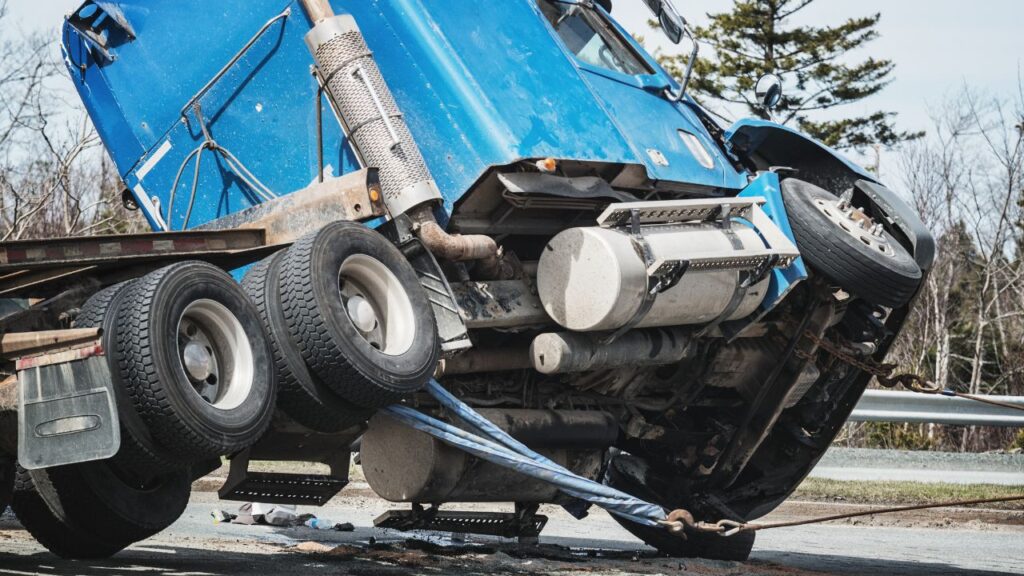
Physical damage coverage is an essential part of commercial truck insurance, protecting your investment in your truck against accidents, theft, and other unforeseen events. Unlike liability insurance, which covers third-party damages, physical damage insurance takes care of your truck’s repair or replacement costs when disaster strikes. Whether it’s a collision, weather damage, or theft, this coverage ensures you’re not left to bear the financial burden alone. For owner-operators, it can be the difference between staying in business and facing financial ruin after an incident.
Key Takeaways
- Physical damage coverage includes both collision and comprehensive protection, shielding your truck from a variety of risks such as accidents, theft, and natural disasters.
- Collision coverage handles damage when your truck hits another vehicle or object, while comprehensive coverage covers non-collision incidents like theft and weather damage.
- Your deductible directly affects the premium cost; higher deductibles lead to lower premiums, but ensure you can cover the deductible amount when needed.
- Parking your truck in secure, monitored facilities and maintaining a clean driving record can help lower your insurance premiums.
- Physical damage coverage, though not legally required, is crucial for owner-operators as it ensures financial protection and business continuity after unexpected losses.
What Is Physical Damage Coverage, and Why Is It Essential for Your Truck?
Physical damage truck insurance protects your most valuable business asset—your rig. Unlike liability policies that cover other people’s property, this coverage pays to repair or replace your own truck when disaster strikes. For owner-operators, it’s the difference between getting back on the road and losing everything.
What Types of Damages Are Covered Under Physical Damage Insurance?
Physical Damage Coverage (PDC) includes two main components: collision and comprehensive. Collision pays for damage when your truck hits another vehicle, object, or rolls over. Comprehensive covers everything else—theft, fire, vandalism, weather, and animal strikes.
Auto physical damage coverage protects your equipment against a wide range of perils. Your commercial truck likely represents an investment exceeding $100,000. Without PDC, you’d pay for all commercial trucking repairs out of pocket after a major incident. That’s a risk most owner-operators can’t afford to take.
How Does Physical Damage Coverage Differ From Liability Insurance?
Liability insurance and physical damage coverage serve completely different purposes. Liability protects third parties—other drivers, property owners, pedestrians—when you cause an accident. It covers their injuries and property damage, not yours.
PDC flips this around. It provides truck loss protection for your own equipment, regardless of who caused the damage. Your truck is your primary asset and sole income source. Physical damage truck insurance keeps you financially stable when unexpected losses occur. Liability won’t fix your rig after a hailstorm or theft. Only PDC does that.
What Does Physical Damage Coverage Protect Against, and How Can It Help an Owner-Operator Manage Repair Costs?
Auto physical damage coverage shields owner-operators from two categories of loss: collision damage and everything else. Understanding what each component covers helps you know exactly when your policy kicks in and how it keeps commercial trucking repairs from destroying your bottom line.
What Is Collision Coverage and What Types of Accidents Does It Cover?
Collision coverage pays for repair or replacement when your truck hits another vehicle, strikes an object, or overturns. It handles direct impact damage—jackknife accidents, multi-vehicle pileups, and guardrail strikes.
Key scenarios include highway collisions, backing into a loading dock, rollover accidents, and hitting bridges or overpasses. If your truck makes contact with something and sustains damage, collision coverage responds. It doesn’t matter who caused the accident. Your truck gets fixed either way.
What Does Comprehensive Coverage Protect Against, and How Does It Differ From Collision Coverage?
Comprehensive coverage—sometimes called “Other Than Collision”—protects against non-collision incidents. These are typically events outside your control. Theft tops the list: a tractor was stolen from a truck stop parking lot. Fire damage from an engine malfunction while driving. Vandalism when someone keys your cab or breaks windows.
Weather events also fall under comprehensive. Hail dents your roof. A tree limb crushes your hood during a storm. Even hitting a deer on the highway counts as comprehensive, not collision. Physical damage truck insurance through comprehensive coverage handles the unpredictable hazards of life on the road.
How Can Physical Damage Coverage Reduce Repair Expenses for Owner-Operators?
Without PDC, you face the full cost of repairs or replacement after any major incident. A single accident could mean financial ruin. Commercial trucking repairs routinely run into tens of thousands of dollars. Engine fires, theft, and serious collisions can total a rig entirely.
Truck loss protection through PDC safeguards your investment in the tractor and trailer. It ensures business continuity after accidents, theft, or weather damage. You pay your deductible and get back to work. The alternative—self-insuring a $100,000+ asset—is a gamble most owner-operators can’t win.
How Does a Deductible Affect the Price of Your Physical Damage Coverage?
Your deductible directly controls your premium cost. It’s the lever you pull to balance monthly expenses against out-of-pocket risk. Understanding this relationship helps you structure physical damage truck insurance that fits your budget and cash reserves.
What Is a Deductible, and How Does It Work in Relation to Insurance Claims?
A deductible is the amount you pay out-of-pocket before your insurance kicks in. File a claim for $15,000 in commercial trucking repairs with a $2,500 deductible, and you pay $2,500. Your insurer covers the remaining $12,500.
Typical deductibles for auto physical damage coverage range from $1,000 to $5,000. Many policies set different deductibles for collision and comprehensive. You might carry a $2,500 collision deductible but only $1,000 for comprehensive claims like theft or weather damage. This flexibility lets you customize coverage based on which risks concern you most.
How Does Your Deductible Choice Impact Your Monthly Premium and Overall Costs?
Higher deductibles mean lower premiums. Choose a $5,000 deductible, and your annual cost drops significantly. The trade-off: you need $5,000 cash available whenever you file a claim. If you can’t cover that amount, you can’t afford that deductible—regardless of the premium savings.
Lower deductibles work the opposite way. A $1,000 deductible raises your premium but reduces the immediate financial hit after an incident. Truck loss protection becomes more accessible when claims arise. The right choice depends on your cash reserves and risk tolerance. Pick a deductible you can comfortably pay at any time. Don’t let premium savings tempt you into a deductible that would strand you after an accident.
How to Lower Your Premiums for Physical Damage Coverage on Your Truck
Physical damage truck insurance doesn’t have to break the bank. Several factors within your control influence premium costs. Smart choices about parking, driving habits, and safety equipment can reduce what you pay for auto physical damage coverage without sacrificing protection.
What Are Some Parking and Garaging Tips That Can Lower Premiums?
Where you park matters to insurers. Secure, monitored facilities reduce theft and vandalism risk—two major claims categories under comprehensive coverage. Truck stops with cameras, fenced yards with gate access, and well-lit parking areas all signal lower risk.
Many insurers offer discounts for trucks garaged overnight versus parked at unsecured lots. If you have access to a secure parking arrangement, tell your agent. That truck loss protection discount could offset the parking cost. Even choosing better-lit, higher-traffic rest areas over isolated spots demonstrates risk awareness that insurers reward.
How Does Maintaining a Good Driving Record Impact Your Premiums?
Your driving record is the single biggest factor in premium pricing. Clean records mean lower costs. It’s that simple. Every accident and violation signals a higher risk to underwriters.
Fewer incidents demonstrate you’re less likely to file claims for commercial trucking repairs. Insurers reward that with better rates. One at-fault accident can spike your premium for years. Protect your record like it’s money—because it is.
Can Installing Safety Features in Your Truck Lower Insurance Costs?
Safety investments can pay off through lower premiums. Participation in safety programs matters. Strong CSA scores and ELD compliance show insurers you run a professional operation. Many carriers offer discounts for documented safety records.
Custom safety equipment—collision avoidance systems, dash cams, GPS tracking—may also qualify for reduced rates. Some additions require separate endorsements on your physical damage truck insurance policy. Ask your agent which upgrades your insurer recognizes. The right equipment reduces both your risk and your premium.
Are There Any Exclusions in Physical Damage Coverage You Should Be Aware Of?
Auto physical damage coverage doesn’t cover everything. Knowing what’s excluded prevents nasty surprises when you file a claim. These gaps exist for good reason—insurance covers unexpected losses, not predictable maintenance or misuse.
What Types of Damage Are Typically Not Covered by Physical Damage Insurance?
Wear and tear tops the exclusion list. Worn tires, rust, and deterioration from normal use aren’t insurable events. They’re inevitable. Physical damage truck insurance covers accidents, not aging.
Mechanical breakdown is also excluded. Engine failures, transmission problems, and component malfunctions fall under maintenance—not insurance. Your policy won’t pay for commercial trucking repairs caused by mechanical issues rather than covered perils.
Cargo damage requires separate Motor Truck Cargo insurance. PDC protects your truck, not the freight inside. Confiscation by law enforcement or government agencies is generally excluded, too. If authorities seize your vehicle, that’s not a covered loss. Finally, damage from improper maintenance won’t trigger coverage. Skip oil changes and blow an engine? That’s on you.
Are There Specific Situations or Vehicles Excluded From Coverage?
Using your truck for non-covered purposes can void your truck loss protection. If your policy covers business use and you’re hauling personal items during an accident, expect claim denial. Read your policy’s use restrictions carefully.
Custom equipment and modifications often fall outside standard coverage. Sleeper upgrades, APUs, custom paint, and chrome accessories may require separate endorsements or scheduled coverage. Tell your agent about every modification. Undisclosed upgrades won’t be covered when you need them replaced. Getting proper endorsements costs extra but ensures your entire investment is protected.
What Are the Different Types of Physical Damage Coverage, and How Do They Work Together?
Physical damage truck insurance combines two distinct coverage types into one protective package. Collision and comprehensive work together to cover virtually every physical threat to your truck. Understanding each component helps you see why most policies bundle them and why lenders require both.
What Is Collision Coverage, and When Is It Essential?
Collision coverage pays when your truck hits something, or something hits your truck. It’s essential anywhere collision risk exists—highways, loading docks, tight urban streets, busy truck stops. If you operate a commercial vehicle, collision risk is constant.
Lenders require collision coverage on financed trucks. No exceptions. They’re protecting their asset until you pay it off. Key scenarios include multi-vehicle accidents, jackknife incidents, rollovers, and striking fixed objects like guardrails or bridge supports. Any impact damage triggering commercial trucking repairs falls under collision coverage. Without it, you’d pay out of pocket for every fender bender and major wreck alike.
What Is Comprehensive Coverage, and How Does It Protect Against Non-Collision Damages?
Comprehensive coverage handles everything collision doesn’t. Theft, fire, vandalism, weather damage, falling objects, and animal strikes all fall here. These are risks outside your control—events that happen to your truck rather than accidents you’re involved in.
Auto physical damage coverage typically bundles comprehensive and collision as a combined premium. This truck loss protection package covers the full spectrum of physical threats. Comprehensive coverage is essential because you can’t prevent every risk through careful driving. Hailstorms don’t care about your safety record. Neither do thieves. Comprehensive ensures you’re protected when the unpredictable happens.
How Does Physical Damage Coverage Fit Into Your Overall Insurance Policy for Commercial Vehicles?
Physical damage truck insurance is one piece of a larger coverage puzzle. It works alongside liability, cargo, and specialty endorsements to create complete protection. Understanding where PDC fits—and what it pairs with—helps you build a policy that covers every angle.
Is Physical Damage Coverage Mandatory for Owner-Operators?
No federal or state regulations mandate auto physical damage coverage. California and other states require liability insurance, not physical damage. Legally, you can skip it entirely if you own your truck outright.
Practically, that’s rarely wise. Two factors make PDC essential despite no legal requirement. First, lenders and lessors always require it. Finance or lease a truck, and PDC is mandatory—they’re protecting their collateral. Second, your truck is your business. It’s your primary asset and sole income source. One uninsured theft or major accident could end your operation permanently. Truck loss protection isn’t legally required, but financial survival usually demands it.
Can You Bundle Physical Damage Coverage With Other Types of Insurance for Cost Savings?
Bundling saves money and closes coverage gaps. PDC works best alongside specialized endorsements that address what standard coverage misses.
Gap coverage costs $200–$400 annually and pays the difference between your truck’s actual cash value and your remaining loan balance after a total loss. Depreciation often outpaces loan payoff—gap coverage prevents you from owing money on a truck you no longer have. Downtime coverage provides daily benefits while your truck undergoes commercial trucking repairs, helping cover lost revenue and ongoing business expenses.
Many insurers offer package discounts when you bundle multiple coverage types. Combining physical damage truck insurance with liability, cargo, and endorsements under one policy typically costs less than purchasing each separately. Ask your agent about bundle pricing.
Protect Your Investment with Physical Damage Coverage
Don’t leave your business vulnerable to unexpected repair costs. Physical damage coverage is vital to protecting your truck from a range of risks that could otherwise drain your resources. At Strong Tie Insurance, we offer tailored truck insurance solutions to meet your needs and help you maintain business continuity.
Contact us today for a quote or more information, and let us guide you through the best coverage options for your truck. We’re here to protect what matters most to you.