


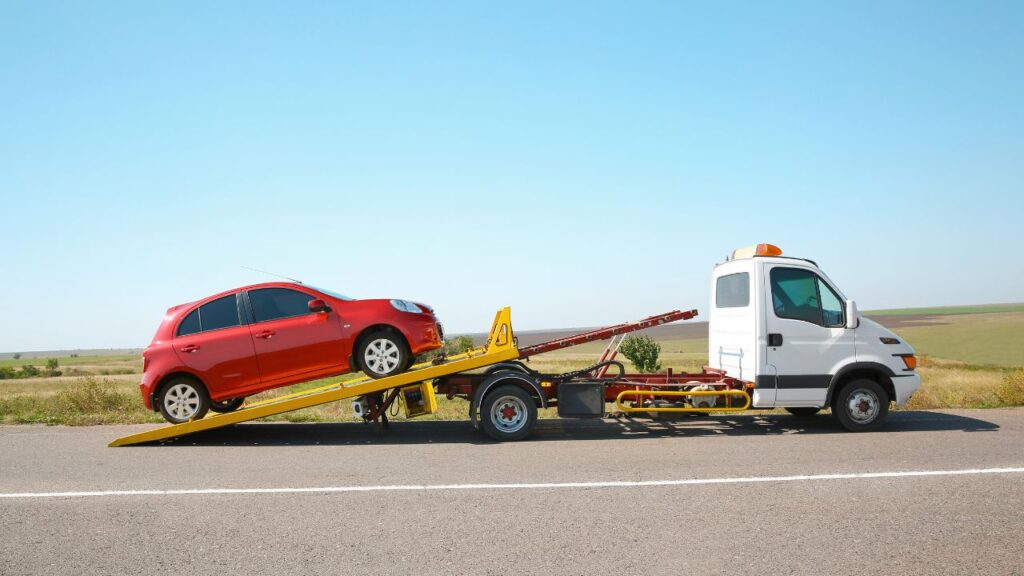
Tow truck insurance in California costs between $8,000 and $22,000 annually depending on vehicle classification and operational scope. Pricing factors for tow trucks include equipment type, coverage limits, driver experience, claims history, and contractual obligations with entities like the California Highway Patrol.
California tow rates and insurance requirements differ significantly from other states due to strict liability minimums and litigation risks. Operators must navigate complex regulatory frameworks while balancing competitive pricing with comprehensive protection for their business assets and customer vehicles.
Key Takeaways
- On-hook coverage protects customer vehicles during towing with limits from $50,000 to $150,000 per vehicle
- California requires $750,000 minimum coverage for vehicles over 10,000 pounds hauling non-hazardous freight
- Heavy-duty rotators cost $14,000 to $22,000 annually while light-duty flatbeds range from $8,000 to $13,000
- Urban operators pay higher premiums due to traffic density but experience less severe individual claims
- Telematics implementation can reduce insurance premiums by an average of 17 percent through usage-based assessments
What Is Tow Truck Insurance and Why Is It Needed?
Commercial towing insurance protects operators from liability when transporting and storing third-party vehicles under hazardous roadside conditions. This specialized coverage addresses unique exposures that standard commercial auto policies do not adequately cover. Tow truck operators work near active traffic lanes while handling customer property worth thousands of dollars. The financial consequences of damaging a customer’s vehicle or causing a roadside accident require protection beyond basic commercial auto liability.
What Coverage Types Are Essential for Tow Trucks?
On-hook coverage protects customer vehicles during transport with typical limits ranging from $50,000 to $150,000 per vehicle. This essential component of truck coverage options covers damage to vehicles while attached to your equipment or being towed. Garagekeepers’ liability covers damage to customer vehicles stored at your facility due to fire, theft, or vandalism. This protection becomes critical when operators impound vehicles or provide temporary storage after accidents or breakdowns.
How Do California Regulations Impact Tow Truck Insurance Requirements?
California vehicles over 10,000 pounds carrying non-hazardous freight require a minimum coverage of $750,000 under state law. Vehicles transporting hazardous materials must maintain $5,000,000 in liability coverage regardless of operational scope. California compliance requirements impose stricter standards than federal minimums due to elevated litigation risks and population density. Operators who fail to meet these thresholds face immediate license suspension and potential criminal penalties for operating uninsured.
How Do Consumer Priorities Influence Tow Truck Insurance Choices?
Compliance with legal requirements drives 25 percent of insurance purchasing decisions among California tow truck operators. Competitive pricing follows at 20 percent, while comprehensive coverage accounts for 18 percent of the decision weight. Operators balance mandatory compliance against operational costs while seeking policies that protect against catastrophic losses. Claims processing speed matters to 12 percent of buyers because vehicle downtime directly impacts revenue generation.
What Role Does Compliance Play in Insurance Selection?
Meeting Federal Motor Carrier Safety Administration standards and state-specific mandates forms the foundation for any valid policy. Operators prioritize commercial truck insurance in California that satisfies both federal minimums and elevated state requirements. Customer service quality influences 10 percent of purchasing decisions because specialized brokers understand niche towing operations better than generalists. Flexibility in coverage options accounts for 8 percent, while discount programs represent 7 percent of consumer priorities.
How Do Cost and Coverage Balance in Consumer Decisions?
Operators seek affordable premiums without sacrificing protection against lawsuits that could bankrupt their business operations overnight. This balance becomes increasingly difficult as social inflation drives liability claim payouts higher across the industry. Price-sensitive owner-operators compare quotes across multiple underwriters to identify the lowest cost for required coverage limits. However, choosing inadequate coverage to save money creates catastrophic exposure if a serious accident occurs during operations.
What Factors Drive Tow Truck Insurance Pricing in California?
Vehicle classification determines baseline premium costs, with heavy-duty equipment commanding significantly higher annual rates than light-duty trucks. Geographic location affects pricing due to traffic density, crime rates, accident frequency, and local litigation patterns. Pricing factors for tow trucks include driver experience, claims history, annual mileage, storage facility security, and contractual obligations. Insurers evaluate each operator’s unique risk profile through detailed underwriting analysis before issuing quotes.
How Does Vehicle Type and Class Affect Premiums?
California light-duty flatbed trucks in Class 4-5 cost $8,000 to $13,000 annually for standard coverage packages. Medium-duty wheel-lift and wrecker units in the Class 6-7 range from $10,000 to $15,000 per year. Heavy-duty rotators and recovery vehicles in Class 8 command premiums between $14,000 and $22,000 annually. Repossession operations cost $12,000 to $20,000 yearly due to confrontation risks and higher claim frequency rates.
Tow truck insurance nationally averages between $5,400 and $25,000 per truck, depending on operational factors and coverage limits. California operators pay premiums at the higher end of this range due to strict state regulations. Vehicle weight, towing capacity, specialized equipment, and operational hazards all influence final pricing calculations. Operators running multiple vehicle types face blended rates based on their overall fleet composition and usage patterns.
What Are the Liability and Risk Considerations Unique to Tow Trucks?
Social inflation drove liability claim payouts up 39 percent between 2019 and 2023 across the commercial trucking sector. This trend particularly affects tow truck operators who face frequent roadside exposure while loading disabled vehicles. Roadside work near active traffic lanes creates an elevated risk of secondary accidents involving passing motorists or distracted drivers. Operators must maintain heightened situational awareness while securing vehicles under time pressure and often in adverse weather conditions.
How Do Contractual Requirements Affect Insurance Costs?
California Highway Patrol rotation list contracts require operators to maintain higher insurance minimums than state-mandated levels. AAA motor club agreements impose strict facility standards and proof of adequate liability coverage before approving service providers. Lucrative contracts with municipalities and fleet management companies demand evidence of financial stability through comprehensive insurance programs. Operators who cannot meet these elevated requirements lose access to high-volume accounts that generate consistent revenue.
How Do Location and Demographics Influence Tow Truck Insurance Rates?
Urban operators face higher premiums due to increased traffic density, theft rates, and elevated collision frequency. Rural operators benefit from lower baseline rates but experience more severe accidents when they occur. Location-based pricing reflects historical claim patterns, court verdict trends, and regional repair costs that vary significantly. Insurance companies analyze ZIP code data to determine risk exposure before calculating individual operator premiums.
What Are the Pricing Differences Between Urban and Rural Operators?
Urban areas present higher insurance costs because congested traffic conditions increase both accident frequency and theft opportunities. Rural operators benefit from lighter traffic conditions that reduce collision probability despite longer average response distances. Urban operators experience more frequent but less severe claims due to lower traffic speeds during congestion. Rural accidents tend to occur at highway speeds, resulting in greater vehicle damage and higher individual payouts.
How Do Operator Experience and Fleet Size Impact Pricing?
Large fleet operators managing 50 or more vehicles exhibit 88 percent adoption of comprehensive insurance programs. These operators leverage volume discounts and bundled coverage to reduce per-vehicle costs significantly below single-truck rates. Experienced operators aged 55 and older show 75 percent adoption of standard coverage and benefit from lower premiums. Young operators under 35 face higher initial premiums but demonstrate 58 percent adoption of usage-based insurance and telematics to actively reduce their risk profiles.
How Does Tow Truck Insurance Compare to Other Specialty Truck Insurance?
Refrigerated truck insurance holds the largest specialty market share at 22 percent due to massive perishable goods volume. Tow truck insurance follows at 18 percent, while tanker and hazmat coverage accounts for 15 percent. Standard commercial freight represents 20 percent, with other specialty categories comprising the remaining 25 percent of the market. Each category requires specialized coverage addressing unique operational risks that standard policies do not adequately protect against.
What Pricing Differences Exist Between Tow, Refrigerated, and Hazmat Truck Insurance?
Reefer insurance annual premiums range from $12,000 for basic coverage to over $24,000 for premium pharmaceutical transport policies. Hazmat insurance policies typically cost between $12,200 and $28,000 annually depending on material classification and route characteristics. Tow truck premiums in California range from $8,000 to $22,000 based on vehicle class and operational scope. Hazmat coverage commands the highest premiums due to catastrophic environmental damage potential and mandatory multi-million-dollar liability limits.
Which Coverage Features Are Unique to Each Specialty Category?
Reefer breakdown insurance covers losses from refrigeration unit mechanical failures, power interruptions, or thermostat malfunctions during transit. Spoilage and contamination coverage protects against financial losses when goods fall outside required temperature ranges. Environmental and pollution liability covers hazardous spill cleanup costs, environmental restoration expenses, and third-party property damage. These specialized endorsements address cargo-specific risks that general liability policies explicitly exclude from standard coverage terms.
What Underwriting and Risk Management Factors Affect Tow Truck Insurance?
Safety technology implementation and driver training programs directly influence underwriting decisions and premium calculations for operators. Insurers favor companies demonstrating proactive safety measures through documented policies and measurable performance improvements. Claims history creates the strongest impact on renewal pricing because past losses predict future risk exposure. Operators with clean records access preferred pricing tiers, while those with multiple claims face substantial rate increases.
How Do Safety Technologies and Driver Training Influence Premiums?
Telematics implementation leads to average premium reductions of 17 percent through usage-based risk assessments and behavior monitoring. Collision-mitigation systems, lane-departure alerts, and real-time driver coaching reduce accident frequency across commercial fleets. The commercial telematics segment experiences 29.7 percent compound annual growth as more operators adopt these technologies. Rigorous driver training programs demonstrate commitment to safety that insurers reward with lower rates and preferred underwriting terms.
What Impact Does Claims History Have on Tow Truck Insurance Costs?
A persistent shortage of seasoned truck drivers, projected to reach 160,000 open positions by 2030, drives risk higher. Less experienced drivers filling this void contribute to elevated accident rates across the commercial trucking sector. Operators with multiple at-fault claims face premium increases of 25 to 50 percent at renewal or potential non-renewal. Insurance providers may cancel policies entirely for operators with excessive claim frequency or patterns indicating inadequate risk management.
How Can Tow Truck Operators Manage and Reduce Insurance Costs?
Implementing telematics systems provides verifiable data demonstrating safe driving behaviors that insurers reward with lower premiums. Operators can reduce costs through volume discounts, safety program participation, bundled coverage packages, and maintaining clean claims records. Strategic risk management through driver screening, ongoing training, and vehicle maintenance prevents accidents that drive premiums higher. Comparing quotes from multiple carriers ensures operators secure competitive rates without sacrificing necessary coverage protection.
What Role Do Telematics and Usage-Based Insurance Play?
Telematics leads to average premium reductions of 17 percent by providing objective driving data to insurance underwriters. Young operators under 35 show 58 percent overall adoption of usage-based insurance programs that reward safe behaviors. Real-time monitoring identifies risky driving patterns before they result in accidents that increase insurance costs permanently. Operators who embrace these technologies demonstrate a commitment to safety that differentiates them from competitors in underwriting evaluations.
How Do Discount Programs and Flexible Coverage Options Help?
Bundling multiple coverage types with a single carrier often yields 10 to 15 percent discounts on total premiums. Safety program participation, including regular driver training and vehicle inspections, qualifies operators for additional rate reductions. Flexible coverage options allow operators to adjust limits seasonally or exclude specific operations that increase their risk profile. Tow truck operators can make insurance easier by working with specialized brokers who understand industry-specific exposures and available discount programs.
Tow Truck Insurance Pricing in California: Key Influencers and Market Dynamics
Progressive Group leads the California market with a 12.36 percent market share among commercial truck insurance providers. Travelers Group holds 6.2 percent, while the top 12 carriers account for only 40 percent of total written policies. California’s highly fragmented market indicates a strong presence of niche and surplus lines carriers serving specialized operators. This fragmentation creates competitive pricing opportunities for operators willing to compare quotes across multiple underwriters and specialized programs.
California tow truck insurance requires careful evaluation of coverage adequacy, compliance requirements, and cost management strategies for sustainable operations. Operators who understand pricing factors, maintain clean claims records, and implement safety technologies secure the best rates available. The combination of strict state regulations, elevated litigation risks, and specialized operational exposures makes professional guidance essential for adequate protection.
Protect Your Tow Business Without Overpaying
California tow truck premiums run high, the state’s liability minimums are strict, and a single serious claim can wipe out everything you’ve built. You shouldn’t have to choose between staying compliant and keeping your costs under control, and you shouldn’t have to spend your working hours chasing quotes across a dozen carriers.
That’s where Strong Tie Insurance comes in. For 20 years we’ve helped California tow operators find coverage that holds up on the road and at renewal. We shop your policy across multiple reputable underwriters to land you a competitive rate, and we charge no broker fees. With nine offices across California, you get an agent who understands your routes, your regulations, and the real risks of working roadside. Tell us about your operation and we’ll handle the comparing for you.