


Key Takeaways
- Standard policies leave flatbed carriers exposed. Flatbed truck insurance requires specialized trucking coverage beyond basic commercial auto. Open cargo liability risks demand endorsements that standard policies exclude.
- Cargo limits must match load values. Standard $100,000 limits fall short for flatbed freight. Heavy machinery and building materials require $250,000 to $300,000 in enhanced cargo coverage.
- Four endorsements you can’t skip. Enhanced cargo coverage, loading and unloading coverage, tarping coverage, and chains, binders, and dunnage coverage address the core flatbed hauling risks.
- Securement failures void claims. Improper load securement is the most common exclusion in flatbed truck insurance. Following FMCSA regulations under 49 CFR Parts 392 and 393 is central to insurability.
- Driver training reduces premiums. Insurers heavily favor carriers with experienced flatbed drivers. A verifiable training program leads to significant premium reductions on commercial truck insurance.
Flatbed Trucking Insurance: A Specialized Commercial Policy
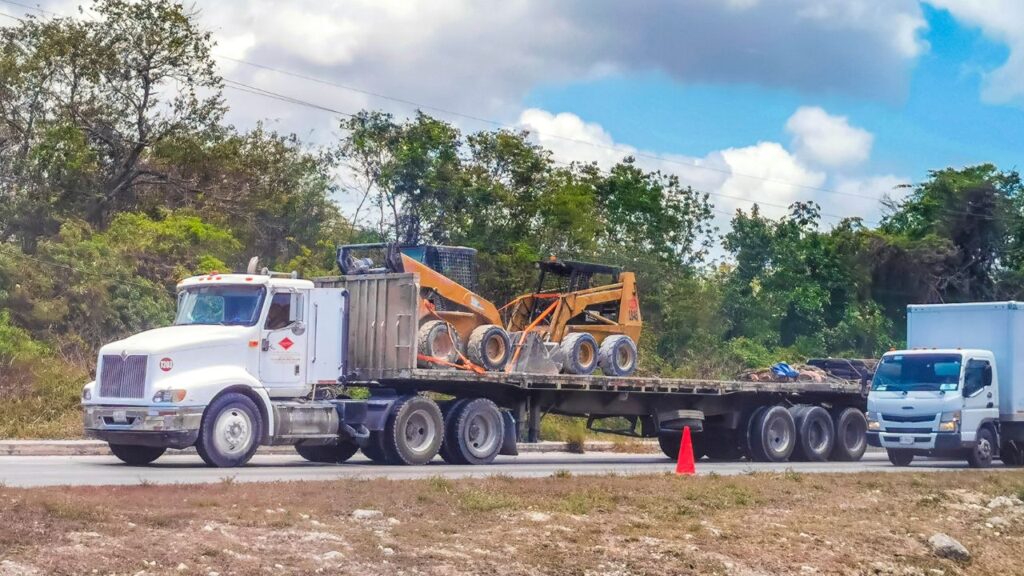
Flatbed truck insurance is specialized trucking coverage designed for open-deck hauling operations. Flatbed trucking involves hauling oversized, heavy, or irregularly shaped cargo that cannot fit in standard van trailers. The open-deck nature introduces significant flatbed hauling risks related to load securement and exposure to the elements. Standard commercial truck insurance policies provide a foundation but are often insufficient for flatbed-specific risks. Proper flatbed truck insurance addresses the unique open cargo liability exposures these operations face.
What Makes Flatbed Trucking Different from Other Operations?
Flatbed trucking differs because cargo is fully exposed. Weather, road debris, and theft threaten loads on open trailers every mile. Load securement is entirely the carrier’s responsibility—there’s no enclosed protection to help. The biggest flatbed hauling risk: falling cargo and property damage to other vehicles and structures. This open cargo liability exposure demands specialized trucking coverage beyond standard commercial truck insurance. Without proper flatbed truck insurance, carriers face gaps that standard policies won’t cover.
What Are the Biggest Risks in Flatbed Trucking?
Flatbed hauling risks create some of the most severe claims in commercial trucking. These claims frequently stem from two primary causes: load securement failures and cargo damage. Understanding these risks determines what specialized trucking coverage you need. Your flatbed truck insurance must address these specific exposures to properly protect your operation.
Why is Improper Load Securement the Most Dangerous Risk?
Improper load securement is the most dangerous flatbed hauling risk. Cargo that shifts, slides, or falls from the trailer during transit is the most common and dangerous type of claim. This can lead to catastrophic multi-vehicle accidents and massive open cargo liability. FMCSA has detailed regulations regarding cargo securement under 49 CFR Parts 392 and 393. Violations don’t just create compliance issues—they create claim denials. Your commercial truck insurance depends on following these rules.
What Cargo Damage Risks Do Flatbed Carriers Face?
Flatbed carriers face cargo damage from multiple sources. Weather damages loads when improperly tarped—rain, sun, and debris take their toll. Shifting during transit damages cargo even when it doesn’t fall. Loading and unloading accidents add another layer of exposure. Each scenario creates open cargo liability that requires specialized trucking coverage. Standard flatbed truck insurance must address all three damage types to provide complete protection.
What Special Coverages Can’t Flatbed Carriers Skip?
Flatbed operators need standard coverages plus several critical endorsements. Relying on a standard, off-the-shelf commercial truck insurance policy is a recipe for financial disaster. These specialized trucking coverage options address the unique flatbed hauling risks that standard policies exclude. Skipping them leaves dangerous gaps in your open cargo liability protection.
Why is Enhanced Cargo Coverage Essential?
Enhanced cargo coverage is essential because flatbed loads are often extremely valuable. Heavy machinery, building materials, and steel shipments exceed standard policy limits. Standard cargo limits of $100,000 fall short for most flatbed freight. Limits frequently need to be in the $250,000 to $300,000 range. Your flatbed truck insurance cargo limits must match the value of what you haul. Underinsuring creates personal liability exposure when claims exceed coverage.
What is Loading and Unloading Coverage?
Loading and unloading coverage provides protection during the highest-risk phases of flatbed operations. This endorsement covers cargo damage that occurs while freight is being loaded or unloaded. Standard cargo policies often exclude these phases entirely. Without this specialized trucking coverage, your commercial truck insurance won’t respond when cranes, forklifts, or rigging damage the load. This gap in open cargo liability protection catches many flatbed carriers off guard.
What is Tarping Coverage?
Tarping coverage protects against tarp loss, damage, and related cargo claims. Tarps themselves are expensive—a full set can cost thousands. This coverage also links to claims where tarping failure leads to cargo damage. Weather damage from improper tarping is a common flatbed hauling risk. Your flatbed truck insurance should include this endorsement to cover both the equipment and the resulting cargo exposure.
What is Chains, Binders, and Dunnage Coverage?
Chains, binders, and dunnage coverage protect your essential securement equipment. Straps, chains, tarps, and binders are expensive tools that flatbed operations require daily. This specialized trucking coverage pays for loss or theft of this equipment. Without it, replacing stolen or damaged securement gear comes out of pocket. Proper flatbed truck insurance includes protection for the tools that keep your cargo secure and reduce open cargo liability.
How Much Does Flatbed Truck Insurance Cost?
Flatbed truck insurance costs vary based on cargo type, equipment value, and operating radius. Premiums are lower than hazmat operations but reflect specialized flatbed hauling risks. Understanding these costs helps you budget for proper commercial truck insurance that actually protects your operation.
What Are Typical Premium Ranges for Flatbed Insurance?
Flatbed insurance premiums fall into predictable ranges. Enhanced Cargo & Securement coverage runs $1,500 to $3,000 annually for a $250,000 limit. A full commercial truck insurance policy costs $7,500 to $12,000+ per truck. These specialized trucking coverage costs reflect the elevated open cargo liability exposure flatbed carriers face. The investment protects against claims that could otherwise bankrupt an operation.
What Factors Affect Flatbed Insurance Premiums?
Several factors affect your flatbed truck insurance premium. Type of cargo hauled matters—steel, machinery, lumber, and building materials carry different risk profiles. Operating radius influences cost; longer hauls mean more exposure. Driver experience with oversized loads reduces premiums. Driving records and CSA scores heavily impact pricing. Clean records and experienced drivers earn lower insurance rates on specialized trucking coverage.
What Liability Limits Do Flatbed Carriers Need?
Flatbed carriers need $1,000,000 Primary Auto Liability as the industry standard. This limit satisfies most broker and shipper requirements. However, due to the risk of falling cargo causing severe accidents, some contracts require higher limits. The open cargo liability exposure in flatbed hauling risks justifies these requirements. Your commercial truck insurance limits should match contract demands and protect against catastrophic claims.
What Are Common Flatbed Insurance Claims?
Claims patterns reveal where flatbed hauling risks concentrate. Understanding common claims helps carriers avoid them and structure proper coverage. These scenarios show why specialized trucking coverage matters for flatbed operations.
What Load Securement Claims Occur?
Improper load securement is the most common and dangerous type of flatbed truck insurance claim. Cargo that shifts, slides, or falls creates massive open cargo liability exposure. These claims often involve third-party vehicles and property damage. A single falling load incident can generate claims exceeding policy limits. Your commercial truck insurance faces its biggest test when securement fails. Proper training and compliance with FMCSA regulations prevent these catastrophic claims.
What Cargo Damage Claims Occur?
Cargo damage claims hit flatbed carriers from multiple directions. Weather damage from tarping failures is common—rain, wind, and sun destroy unprotected freight. Shifting cargo damage occurs from improper securement during transit, even when loads don’t fall. Loading and unloading operations create damage exposure at every stop. Each scenario triggers your specialized trucking coverage differently. Flatbed truck insurance must address all three to fully cover the open cargo liability flatbed hauling risks create.
What Exclusions Affect Flatbed Insurance Claims?
Exclusions determine when your flatbed truck insurance won’t pay. A critical exclusion in many policies: damage resulting from improper or insufficient load securement. If the investigation shows the driver failed to use the correct number of tie-downs or used them improperly, the claim could be denied. Understanding these exclusions prevents costly surprises when you need your specialized trucking coverage most.
How Do Securement Exclusions Deny Claims?
Securement exclusions deny claims when improper or insufficient load securement is documented. Insurers investigate every flatbed hauling claim carefully. Failure to follow FMCSA cargo securement regulations voids claims entirely. Adherence to 49 CFR Parts 392 and 393 is not just compliance—it’s central to insurability. Your commercial truck insurance only responds when you’ve followed the rules. Open cargo liability protection disappears when securement failures cause the loss.
How Do Tarping Exclusions Affect Coverage?
Tarping exclusions deny weather-related cargo claims when tarping was required but not properly applied. Improper tarping leading to cargo damage results in claim denials. Your flatbed truck insurance expects drivers to protect exposed loads. Rain damage, sun damage, and debris damage all trigger these exclusions when tarps weren’t used correctly. This specialized trucking coverage gap catches carriers who cut corners on weather protection. Proper tarping isn’t optional—it’s required for your open cargo liability coverage to respond.
What Are the Advantages of Proper Flatbed Insurance?
Proper flatbed truck insurance protects against elevated risks unique to open-deck operations. It also enables carriers to haul higher-value specialized freight. The right specialized trucking coverage turns insurance from a cost into a business advantage.
How Does Coverage Qualify You for Better Contracts?
Adequate limits qualify carriers for contracts requiring enhanced coverage. Shippers of heavy equipment and building materials require proof of proper flatbed truck insurance before awarding loads. Enhanced cargo limits of $250,000 to $300,000 open access to high-value freight that carriers with standard limits can’t touch. Your commercial truck insurance becomes a competitive advantage. Better open cargo liability protection means better contracts. Specialized trucking coverage pays for itself through access to premium flatbed hauling opportunities.
What Are the Disadvantages of Flatbed Insurance?
Flatbed truck insurance costs more than standard dry van coverage. The elevated flatbed hauling risks justify higher premiums, but the expense is real. Coverage complexity also requires careful policy review. Understanding limitations helps carriers avoid claim denials.
What Limitations Should Flatbed Carriers Understand?
Several limitations affect flatbed truck insurance claims. Load securement exclusions deny claims when FMCSA regulations aren’t followed. Tarping requirements mean failure to properly tarp voids cargo claims—no exceptions. Driver training requirements may be mandated for coverage to apply. Your commercial truck insurance policy contains these conditions in the fine print. Specialized trucking coverage only works when carriers meet their obligations. These open cargo liability protections have strings attached that every flatbed operator must understand.
How Do You Choose the Right Flatbed Truck Insurance?
Choosing the right flatbed truck insurance requires matching coverage to your specific operation. Start with cargo limits that match your highest-value loads. Standard $100,000 limits fall short—flatbed loads typically require $250,000 to $300,000 in coverage.
Add loading and unloading coverage. This high-risk phase is excluded from standard policies, leaving dangerous open cargo liability gaps. Include tarping coverage and chains, binders, and dunnage coverage for complete protection of both cargo and equipment.
Driver training and experience are paramount. Insurers heavily favor carriers with experienced flatbed drivers who understand load securement. A verifiable driver training program can lead to significant premium reductions on your commercial truck insurance.
Review exclusions carefully. Improper securement voids many flatbed hauling claims regardless of policy limits. Understand what your specialized trucking coverage requires before you need to file a claim.
Work with a trucking insurance broker company with agents who understand open-deck risks. Flatbed truck insurance requires expertise that generalist agents lack. The right agent structures coverage that protects against the unique open cargo liability exposures flatbed operations face.
Get the Right Flatbed Truck Insurance
Flatbed operations demand specialized trucking coverage that standard policies don’t provide. Strong Tie Insurance understands flatbed hauling risks, open cargo liability, and the endorsements flatbed carriers need. Our agents structure commercial flatbed truck insurance that protects your loads and qualifies you for better contracts.
Don’t haul open-deck freight without proper coverage. Contact Strong Tie Insurance today for a flatbed truck insurance quote tailored to your operation.