


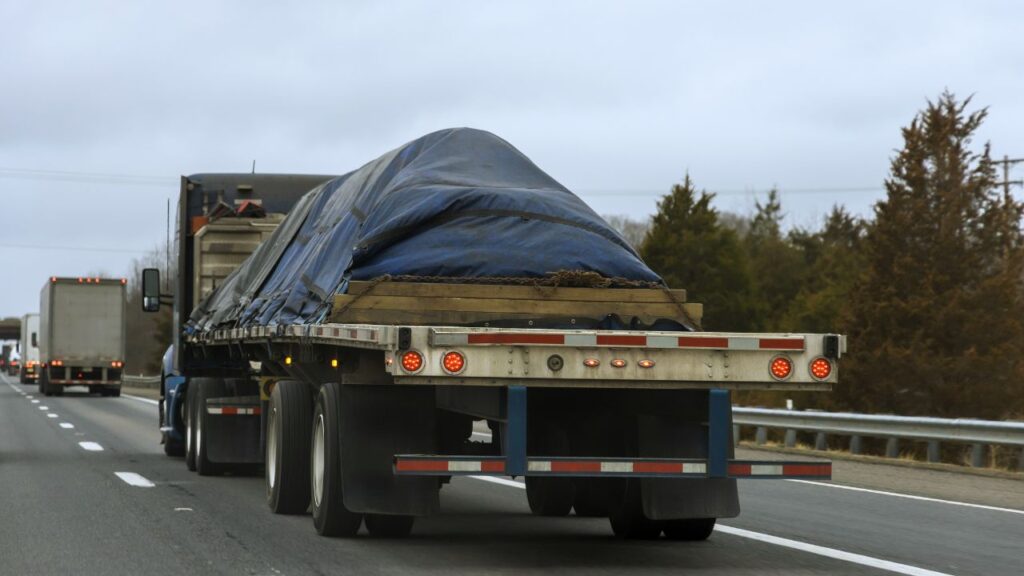
Your truck type, delivery speed, and cargo mix all shape your insurance. Hot shot and semi-truck operations look similar from the outside but carry very different risk profiles and coverage needs.
Key Takeaways:
- Hot shot trucks score 8 out of 10 on time pressure and urgency, the single highest risk factor in expedited freight, while semi-trucks score higher on accident severity, fatigue risk, and regulatory complexity across five of six risk dimensions.
- Hot shot policies must explicitly include Occupational Accident coverage and Non-Trucking Liability, both absent from standard commercial trucking policies, making them the two most commonly overlooked gaps for owner-operators.
- Moving from a Class 5 pickup to a Class 8 tractor without notifying your insurer is material misrepresentation that can result in a fully denied claim on a policy that no longer matches your actual operation.
- Hot shot cargo policies restricted to a single commodity class will not cover the next load if the freight type changes, a real exposure in an operation built around mixed and variable loads.
- Documented safety programs reduce commercial truck insurance costs by 20% to 40%, and telematics data sharing produces an average 17% premium reduction, making both the highest-return investments available to any trucking operation regardless of size.
What Is Hot Shot Trucking in Commercial Truck Insurance?
Hot shot trucking is built around speed. Small trucks, urgent loads, and fast turnarounds define the model and drive the insurance requirements.
What Types of Loads Are Usually Hauled in Hot Shot Trucking?
Common hot shot freight includes oilfield equipment, construction materials, agricultural parts, medical and industrial equipment, and steel products. These are time-critical loads for industries where freight downtime is operationally unacceptable.
Why Is Hot Shot Freight Often Built Around Expedited or Time-Sensitive Delivery?
Hot shot serves oilfield, construction, and agriculture sectors where a delayed load can halt an entire operation. The model offers faster turnaround and lower overhead than traditional semi-truck freight, which is exactly why owner-operators dominate the space.
How Do Insurers Usually View Hot Shot Trucking Compared With Traditional Semi-Truck Operations?
Hot shot operators use Class 3 to Class 5 pickup trucks with GVWR of 10,001 to 19,500 lbs pulling gooseneck or flatbed trailers. Semi-trucks score higher on 5 of 6 risk dimensions. Hot shot scores higher on only one: time pressure and urgency, where it rates 8 out of 10 versus 3 for semi-trucks. Premiums for both categories rose 5 to 9% in 2025.
What Is Semi-Truck Insurance for Standard Commercial Hauling?
Semi-truck commercial truck insurance is built for high-value equipment, heavy loads, and long-distance exposure. The risk profile is broader and the stakes per incident are higher.
What Types of Freight Are Usually Hauled by Semi-Trucks?
Class 8 tractor-trailers handle the bulk of national freight, hauling up to 80,000 lbs. Typical cargo limits run $100,000 to $250,000 depending on shipper contract requirements.
Why Do Semi-Truck Policies Often Reflect Broader Equipment and Route Exposure?
New Class 8 tractors cost $100,000 to $200,000. Refrigerated trailers add $50,000 to $100,000 on top. Physical damage at 3% to 6% of stated value translates to $4,500 to $12,000 annually. Semi-truck operators log 80,000 to 150,000 miles per year, which is up to three times the mileage of most hot shot runs.
How Do Insurers Evaluate Semi-Truck Risk Differently From Smaller Expedited Operations?
Semi-trucks score 9 out of 10 on cargo value exposure, driver fatigue risk, regulatory complexity, and physical damage severity. Nuclear verdicts in trucking lawsuits increased 235% since 2012, and semi-truck operators bear the most exposure. Commercial auto liability insurance has been unprofitable for 14 consecutive years as a direct result.
What Is the Main Insurance Difference Between Hot Shot Trucking and Semi-Truck Operations?
Vehicle size starts the conversation, but cargo variability, delivery urgency, and operating model finish it. These two operations require fundamentally different coverage stacks.
How Does Vehicle Type Change the Insurance Structure?
Hot shot trucks average $40,000 to $70,000 in value with annual premiums of $7,000 to $15,000. Semi-trucks average $100,000 to $200,000 with annual premiums of $15,000 to $25,000 or more. Key coverages also differ: hot shot requires Occupational Accident and Non-Trucking Liability; semi-trucks require Bobtail and Trailer Interchange.
Why Does Expedited Freight Create a Different Risk Profile Than Standard Hauling?
Hot shot’s primary risk factors are time pressure and cargo variability. Semi-truck’s primary risk factors are accident severity and nuclear verdicts. Those differences determine which coverages matter most and how underwriters price each operation.
How Do Trailer Type, Cargo Type, and Trip Urgency Affect Coverage Needs?
Hot shot operators frequently change cargo types between loads, which creates coverage gaps if the policy is restricted to a single commodity class. Semi-truck cargo limits of $100,000 to $250,000 reflect higher-value interstate freight requirements. Both operations require ELD compliance for interstate use.
Why Can Hot Shot Trucking Create Unique Insurance Risks?
The same urgency that makes hot shot profitable also makes it risky. Speed, variability, and the owner-operator model create coverage challenges that standard policies do not automatically address.
Why Does Faster Turnaround and Urgent Scheduling Raise Exposure?
Drivers under pressure to meet tight windows may exceed speed limits or push through bad weather. That behavioral risk is built directly into how underwriters score hot shot accounts, and it shows up in the premium.
How Can Lighter Trucks Still Face Serious Liability and Physical Damage Claims?
A West Texas hot shot operator hauling a $45,000 wellhead component suffered a tire blowout that caused $35,000 in cargo damage and $2,500 in third-party property damage. The $100,000 cargo policy and $750,000 primary liability covered both losses. Without those coverages in place, the driver absorbs those costs personally.
Why Do Frequent Dispatch Changes and Mixed Loads Complicate Underwriting?
Hot shot operators regularly haul different freight types on back-to-back loads. A policy written for one commodity class does not cover the next load if the cargo type changes. Insurers must account for that variability explicitly in the cargo policy terms.
Why Do Semi-Truck Operations Often Carry Different Coverage Demands?
Size, weight, mileage, and nuclear verdict exposure combine to make semi-truck insurance a more complex and more expensive proposition than hot shot coverage.
Why Do Larger Units and Heavier Loads Increase Claim Severity?
Individual owner-operators pay $8,000 to $22,000 annually for a comprehensive semi-truck package without fleet pricing. Fleet operators with 10 or more trucks access lower per-unit rates through fleet programs. The equipment value alone justifies higher physical damage limits that hot shot trucks rarely require.
How Do Interstate Routes and Longer Trips Change the Insurance Profile?
Semi-trucks face full FMCSA Hours of Service requirements: 11-hour driving limit, 14-hour on-duty window, and mandatory 30-minute breaks after 8 cumulative hours. HOS violations are underwriting red flags that can raise premiums or trigger non-renewal at the next cycle.
Why Can Semi-Truck Operations Require Broader Protection Across More Cargo and Route Scenarios?
Brokers frequently require $1,000,000 in liability for interstate semi-truck operations regardless of the FMCSA floor. Trailer Interchange coverage is also required for operators hauling non-owned trailers, a standard practice in the truckload sector that most hot shot operators never encounter.
How Do Premiums Compare Between Hot Shot Trucking and Semi-Truck Insurance?
Hot shot is cheaper than semi-truck on average but still expensive for a solo owner-operator. Understanding what drives the price in each category helps control it.
Why Can Hot Shot Insurance Still Be Expensive Even With Smaller Equipment?
Hot shot average annual premium is $11,000. Semi-truck average is $17,000. That $6,000 gap sounds significant, but for a single-truck owner-operator without fleet pricing, $11,000 is a real annual cost that must be priced into every load. Learning how trucking insurance companies handle claims and reduce accident impact is one of the most practical steps an operator can take to protect that investment.
Why Do Semi-Truck Premiums Often Rise With Mileage, Load Weight, and Operating Radius?
Truck insurance hit a record $10.20 per mile in 2024, the fifth consecutive year of increases. Q1 2025 showed a 5.8% year-over-year jump. Umbrella and excess liability for trucking fleets spiked 18% in 2025. Every additional mile and every heavier load adds to the exposure that drives those numbers.
How Do Driver History, Cargo Class, and Route Pattern Affect Both Premium Types?
Documented safety programs reduce insurance costs by 20% to 40% across both models. Telematics adoption reached 46% of U.S. commercial fleets by the end of 2023, with participating fleets saving an average of 17% on premiums. Progressive’s Smart Haul program saves new customers an average of $1,261 when ELD data is shared.
What Coverage Needs Are Common for Hot Shot Trucking?
Hot shot coverage is leaner than semi-truck but requires several endorsements that standard commercial policies do not automatically include.
Why Is Primary Liability Essential for Expedited Freight Operations?
FMCSA requires $750,000 in BIPD liability for vehicles over 10,001 lbs. Most brokers require $1,000,000. Operators under their own authority must file BMC-91 or BMC-91X for liability proof and BOC-3 for process agent designation. Every hot shot liability policy must include an MCS-90 endorsement.
How Does Physical Damage Coverage Protect Pickups, Medium-Duty Trucks, and Attached Trailers?
Physical damage applies to both the tow vehicle and the gooseneck or flatbed trailer. Average hot shot truck value runs $40,000 to $70,000, making physical damage a significant cost center even before factoring in trailer replacement. A USDOT number is required for all interstate hot shot vehicles over 10,000 lbs.
Why Does Motor Truck Cargo Insurance Matter When Hauling Fast-Turnaround Loads?
Occ/Acc coverage runs $150 to $300 per month and covers up to $500,000 in medical expenses plus disability income replacement. It is the only medical and disability protection available to owner-operators without employer-provided workers’ compensation. NTL/Bobtail coverage runs approximately $600 annually and covers off-dispatch driving that primary commercial liability does not.
What Coverage Needs Are Common for Semi-Truck Operations?
Semi-truck operations require a fuller coverage stack that reflects higher equipment values, interstate complexity, and cargo limits that brokers and shippers actively require.
Why Do Semi-Trucks Often Need Stronger Cargo and Equipment Protection?
Semi-truck cargo limits of $100,000 to $250,000 match shipper contract requirements for interstate loads. Physical damage at 3% to 6% on a combined rig worth $150,000 to $300,000 means $4,500 to $18,000 annually just for the equipment coverage layer.
How Can General Liability and Workers’ Compensation Support Larger Trucking Operations?
Driver qualification and safety management programs are the most powerful long-term premium tools available. Documented programs reduce costs 20% to 40%. Fleet operators can also explore captive insurance programs as nuclear verdict exposure continues to drive up standard market rates.
Why Can Non-Trucking Liability Matter When Tractors Are Used Outside Dispatch?
Bobtail/Non-Trucking Liability protects semi-truck owner-operators when driving the tractor for personal use or without a trailer outside of dispatch. Without it, any off-dispatch accident falls entirely outside the primary commercial policy and comes directly out of pocket.
How Do Cargo Type and Delivery Speed Affect Insurance Risk?
What is on the trailer and how urgently it needs to arrive both shape the claim profile. Neither factor can be ignored at underwriting.
Why Can Urgent Freight Create More Pressure-Driven Accidents or Claims?
Time pressure scores 8 out of 10 in the hot shot risk model. It is the single highest-rated risk factor in expedited freight. Drivers who feel deadline pressure make riskier decisions behind the wheel, and underwriters price that behavioral risk into every hot shot account.
How Do Higher-Value or Job-Critical Loads Change Cargo Exposure?
A delayed wellhead component can halt an active drilling operation worth multiples of the freight value itself. That operational urgency pressures drivers to accept loads without fully verifying that the cargo type is covered under their current policy, which is one of the most common reasons why trucking insurance companies deny claims.
Why Does the Need to Meet Tight Deadlines Increase Underwriting Concern?
Cargo theft losses hit $725 million in 2025, up 60%, with incidents rising 18%. Hot shot operators under time pressure are less likely to follow proper overnight security protocols, making cargo theft a real exposure on expedited freight corridors.
How Do Equipment and Trailer Differences Affect Insurance Choices?
The trailer setup and tow configuration determine both the physical damage exposure and the liability profile. Getting this right in the policy declarations prevents coverage disputes after a loss.
Why Does a Pickup-and-Gooseneck Setup Create Different Risks Than a Tractor-Trailer Combination?
A Class 3 to 5 pickup with a gooseneck trailer and a Class 8 tractor-trailer have different braking distances, accident severity profiles, and equipment replacement costs. Those differences flow directly into how the policy is structured and what the physical damage limit needs to be.
How Do Trailer Size, Load Securement, and Towing Setup Affect Physical Damage and Liability Exposure?
Unsecured cargo on a flatbed hot shot trailer creates third-party liability that standard physical damage policies do not cover. Semi-truck Trailer Interchange coverage for non-owned trailers is also a separate requirement that does not exist in standard hot shot policies and must be explicitly endorsed.
Why Can Mismatched Equipment Use Create Coverage Problems After a Loss?
A hot shot policy written for a Class 3 to 5 pickup does not automatically extend to a larger vehicle if the operator upgrades mid-term without notifying the insurer. Using a trailer type or configuration not listed in the policy declarations is a common basis for post-loss coverage disputes.
What Are the Main Steps to Matching Insurance to an Expedited Freight Operation?
Step 1: Define Whether Your Business Is Hot Shot, Semi-Truck, or a Mix
Classified by vehicle class and GVWR: Class 3 to 5 with gooseneck is hot shot; Class 8 tractor-trailer is semi-truck. Operations running both require separate policy structures or a combined commercial auto endorsement covering both configurations.
Step 2: Review Vehicle Type, Trailer Type, and Cargo Risk Together
Set cargo limits to the actual per-load replacement value: $100,000 is the standard minimum, but job-critical or high-value freight may require more. Confirm the cargo policy covers every commodity type you regularly accept, not just the most frequent load class.
Step 3: Compare Liability, Cargo, and Physical Damage Needs Against Your Real Operation
Confirm FMCSA filings are complete: BMC-91/BMC-91X, BOC-3, MCS-90 endorsement, and USDOT number. Verify Occ/Acc is active for all owner-operators without workers’ compensation. Both coverages are absent from standard policies and must be added explicitly.
Step 4: Confirm That Your Policy Reflects Your Actual Dispatch Style
ELD compliance must match your operation: required for all interstate hot shot trucks made after 2000 and for all semi-trucks. Contact Strong Tie Insurance to review your current setup and close any gaps before your next dispatch.
What Happens If a Business Moves From Hot Shot Trucking to Semi-Truck Hauling?
Upgrading equipment without updating your policy is one of the fastest ways to create serious uninsured exposure in trucking.
Why Should You Tell Your Insurer Before Changing Equipment or Freight Class?
Moving from Class 5 pickup to Class 8 tractor changes physical damage exposure, liability profile, HOS requirements, and underwriting classification all at once. Operating a Class 8 unit under a hot shot policy is material misrepresentation and grounds for a denied claim.
How Can Moving Into Larger Units Affect Premium, Underwriting, and Required Limits?
Semi-truck average annual premium of $17,000 runs approximately 55% higher than the hot shot average of $11,000. Upgrading also triggers full HOS compliance requirements including the 11-hour driving limit, mandatory rest provisions, and ELD mandate, all of which are evaluated at underwriting.
What Problems Can Happen If Your Policy Still Reflects Smaller Hot Shot Work?
Nuclear verdict risk is low to moderate for hot shots but high for semi-trucks. A Class 8 accident generating a major claim against a policy structured for a $55,000 pickup creates a gap that can end the business.
What Should You Ask Before Buying Hot Shot Trucking or Semi-Truck Insurance?
What Vehicles, Trailers, and Cargo Classes Are Specifically Covered?
Confirm every vehicle, trailer configuration, and commodity type is explicitly listed in the policy declarations. Unlisted equipment and cargo classes are the most common basis for claim disputes in expedited freight.
What Route Patterns, Delivery Distances, or Expedited Activities Change the Premium?
Ask how the policy classifies your operation and what equipment change or mileage threshold triggers reclassification. Confirm which states in your corridor carry elevated litigation risk and whether they are covered under the territory endorsement.
What Endorsements or Added Protections Are Needed for Your Hauling Model?
Hot shot checklist: MCS-90, BMC-91/BOC-3, USDOT number, ELD, Occ/Acc, NTL/Bobtail, and cargo policy covering all load types. For larger operations, reviewing the right business insurance structure ensures no coverage layer is missing as the operation grows.
What Should You Remember About Hot Shot Trucking vs. Semi-Truck Insurance?
Your risk profile is determined by how fast you move, how far you go, and what you carry. The right policy reflects all three.
Why Does Expedited Freight Create a Different Insurance Challenge Than Standard Semi-Truck Hauling?
Hot shot scores highest on time pressure and lowest on accident severity. Semi-trucks score the reverse. Those differences are not cosmetic. They determine which endorsements are legally required, which limits are commercially necessary, and where the real exposure lives in each operation.
Why Should Your Premium and Coverage Structure Match How Fast, How Far, and What You Actually Haul?
A policy that misrepresents vehicle class, cargo type, or delivery urgency creates uninsured exposure that surfaces only at the moment of a claim. Build coverage around your real operation, review it annually, and update it before anything changes. That discipline is what keeps a one-truck business running after a bad day on the road.
Fast Freight, Real Risk: Make Sure Your Coverage Keeps Up
Hot shot trucking rewards speed. One uninsured accident punishes it. The gap between a covered claim and a business-ending loss comes down to whether your policy was built for how you actually operate.
Strong Tie Insurance has 20 years of experience covering owner-operators, expedited freight carriers, and commercial trucking operations of every size. No broker fees. No guesswork. Talk to a Strong Tie agent today and make sure your coverage moves as fast as your freight does.