


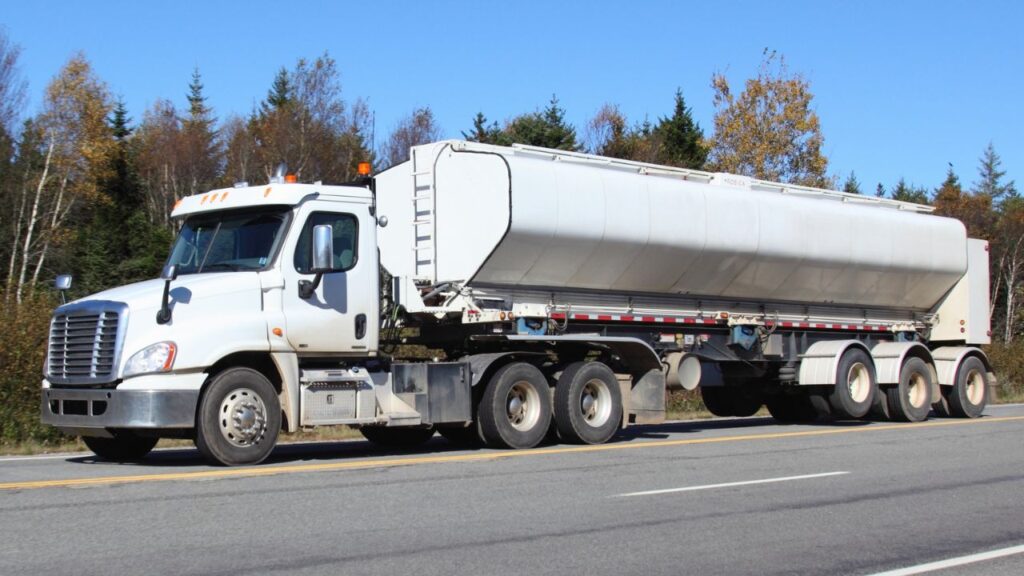
Tanker truck insurance in California addresses the specialized risks of transporting liquid and hazardous materials across state highways. As a specialized form of commercial truck insurance, these policies combine federal liability mandates with California-specific requirements to protect operators from catastrophic financial exposure resulting from accidents or spills.
California’s regulatory framework imposes strict coverage minimums based on cargo type and vehicle weight classification. Hazmat operators face significantly higher premiums than standard freight carriers due to environmental contamination risks and the potential for multi-million dollar third-party claims.
Key Takeaways
- California hazmat tanker insurance requires $5,000,000 minimum coverage compared to $750,000 for non-hazardous freight
- Annual premiums range from $12,200 to $28,000 with hazmat cargo adding 15% to 30% over standard rates
- Driver qualifications and safety records directly impact pricing as the industry faces a projected 160,000 driver shortage by 2030
- Environmental liability coverage addresses catastrophic cleanup costs from spills that can close highways and contaminate communities
- Telematics implementation reduces premiums by an average 17% through real-time monitoring and risk management improvements
What Is Tanker Truck Insurance and Why Is It Essential?
Tanker truck insurance protects carriers and fuel haulers transporting liquid cargo including fuel, chemicals, food-grade products, and hazardous materials. This specialized coverage addresses spill liability, environmental damage, cargo contamination, and third-party bodily injury claims that standard commercial policies exclude.
California operators cannot legally transport hazmat without meeting federal and state insurance minimums. A single incident can generate cleanup costs exceeding $1,000,000 and result in business-ending litigation without proper coverage.
What Types of Coverage Does Tanker Truck Insurance Include?
Primary liability and general liability coverage form the foundation by covering third-party liability for bodily injury and property damage resulting from accidents. Physical damage coverage protects the tanker itself while cargo insurance addresses losses from spills or contamination during transport.
Environmental liability and pollution coverage pay for hazmat cleanup, soil remediation, and groundwater restoration following chemical spills. Garagekeepers insurance protects customer property when tankers are stored at your facility between hauls.
How Does Hazmat Cargo Affect Insurance Requirements?
Hazardous material coverage requires specialized underwriting because certain chemicals present explosion risks and long-term environmental contamination. Insurers apply hazmat classification rules under DOT regulations, sorting cargo into nine DOT categories ranging from explosives to corrosive substances with varying liability limits.
Commercial truck insurance for hazardous materials costs 15% to 30% more than standard freight policies. The specific chemical class determines whether federal minimums require $1,000,000 or $5,000,000 liability limits.
What Are the Regulatory Minimums for Hazmat Insurance in California?
California vehicles over 10,000 pounds carrying non-hazardous freight require a minimum of $750,000 coverage under state law. California vehicles transporting hazardous materials require $5,000,000 minimum coverage to operate legally on public roads.
Federal hazmat liability insurance mandates range from $1,000,000 to $5,000,000, depending on material class under FMCSA regulations. Operators must carry proof of coverage meeting the higher threshold when federal and state requirements differ.
How Are Hazmat Insurance Costs Determined for Tanker Trucks?
California hazmat trucking rates reflect underwriting analysis of cargo risk, driver experience, route characteristics, and claims history. Insurers calculate premiums by assessing the probability and severity of potential losses specific to each operation.
Base rates start with the type of hazmat transported and increase based on fleet size, operational radius, and whether the tractor is a diesel or natural gas vehicle. Additional surcharges apply when drivers lack specialized certifications or when routes include high-density urban corridors.
What Risk Factors Influence Hazmat Insurance Premiums?
Cargo classification directly impacts pricing because certain chemicals present greater explosion or contamination potential than others. Flammable liquids, toxic substances, and corrosive materials each trigger different underwriting adjustments based on historical loss data.
Fleet safety records determine whether operators qualify for standard markets or require surplus lines carriers. A single preventable accident within 36 months can increase annual premiums by 25% to 40%.
How Do Driver Qualifications and Safety Records Affect Pricing?
Less experienced drivers filling driver shortage voids leads to higher accident rates and elevated premiums across the industry. Operators employing drivers with clean Motor Vehicle Records, valid driver’s license credentials, and hazmat endorsements documented in driver qualification files qualify for lower rates than those with recent violations.
The truck driver shortage is projected to reach 160,000 open positions by 2030, according to industry forecasts. This talent gap forces carriers to hire less-qualified operators, increasing insurers’ exposure to preventable accidents.
What Role Does Route and Cargo Classification Play in Underwriting?
Routes through California’s congested urban centers trigger higher premiums because collision frequency increases with traffic density. Interstate highways involving mountain passes or severe weather zones also command surcharges due to rollover risks.
Cargo classification determines federal liability minimums and influences pollution exposure assessments during underwriting. Transporting petroleum products and crude oil requires different coverage limits than hauling agricultural chemicals or industrial solvents.
How Does Tanker Truck Insurance Compare to Other Specialty Truck Insurance?
Hazmat insurance represents 15% to 30% premium increases over standard commercial vehicle insurance due to catastrophic loss potential. Hazardous materials incur premiums up to 30% above baseline because environmental contamination can affect entire communities.
Standard dry freight baseline costs range from $8,000 to $12,000 annually for operators with clean records. Specialty cargo categories each add incremental risk premiums based on the unique hazards they present.
How Do Hazmat Premiums Differ from Tow and Refrigerated Truck Insurance?
Tow truck insurance averages $8,000 to $22,000 annually, depending on truck class and on-hook coverage limits. Refrigerated truck insurance typically costs $12,000 to $24,000 due to spoilage risks and refrigeration unit failure exposure.
Why hazmat truck insurance coverage costs more relates to environmental liability limits exceeding those required for temperature-controlled or recovery operations. A tanker spill can close interstate highways for days while cleanup crews address soil contamination.
What Unique Coverage Features Distinguish Hazmat Policies?
Pollution liability endorsements provide dedicated limits for spill cleanup and environmental restoration separate from primary liability coverage. These policies respond when hazmat releases contaminate soil, waterways, or groundwater, requiring specialized remediation contractors.
Emergency response coverage reimburses costs for hazmat teams deployed immediately after spills to contain damage. This feature addresses the unique need for rapid professional intervention before contamination spreads to neighboring properties.
How Does Environmental Liability Impact Overall Costs?
Environmental and pollution liability covers hazardous spill cleanup costs, environmental restoration expenses required under EPA regulations, and third-party property damage claims. Hazmat spills or explosions can close interstate highways and impact entire communities through evacuations and business interruptions.
Chemical transport involves catastrophic potential for environmental contamination extending far beyond the accident scene. A single tanker rollover releasing toxic materials can generate cleanup bills exceeding $5,000,000 and trigger mass-tort litigation.
What Are Key Consumer Considerations in Choosing Tanker Truck Insurance in California?
Compliance with FMCSA and state regulations forms the foundational requirement when selecting tanker truck insurance coverage. California operators must verify policies meet both federal hazmat minimums and state-specific liability thresholds before accepting loads.
Coverage adequacy extends beyond regulatory minimums to address the actual financial exposure your operation faces. Most brokers recommend limits exceeding legal requirements by at least $1,000,000 to protect business assets from verdict awards.
How Important Is Compliance with FMCSA and State Regulations?
Meeting FMCSA truck insurance requirements without overpaying demands understanding which federal minimums apply to your specific cargo classification. Operating without proper coverage results in immediate out-of-service orders and substantial fines that can exceed $25,000.
California enforcement officers verify MCS-90 endorsements during roadside inspections to confirm hazmat carriers maintain required liability limits. Non-compliance penalties include vehicle impoundment, loss of operating authority, and personal liability exposure for the carrier.
What Coverage Flexibility and Discounts Are Available?
Large fleet operators show 88% adoption rates for comprehensive insurance programs that bundle multiple coverage types. Experienced operators show 75% adoption rates for standard coverage meeting regulatory minimums without additional endorsements.
Young operators show 58% adoption rates for usage-based insurance and telematics programs that monitor driving behavior. These technologies provide discounts averaging 12% to 20% for operators demonstrating safe practices through real-time data.
How Do Claims Processing and Customer Service Influence Choice?
Claims processing speed directly impacts business continuity because tankers sitting idle generate no revenue. Insurers offering 24-hour claims reporting and dedicated hazmat adjusters minimize downtime following accidents or spills.
Customer service quality becomes critical when regulatory questions arise regarding coverage adequacy for new cargo types. Brokers with specialized hazmat knowledge help operators avoid coverage gaps that standard commercial agents might overlook.
How Do Geographic and Demographic Trends Shape Tanker Truck Insurance in California?
Commercial truck insurance in California markets reflects the state’s unique regulatory environment and concentration of hazmat transport activity. The state’s population density and environmental protection laws create higher liability exposure than less-regulated jurisdictions.
California’s insurance market fragmentation means specialized carriers dominate hazmat coverage rather than standard commercial insurers. This concentration affects pricing power and coverage availability for operators with challenging loss histories.
What Is the Impact of Urban Versus Rural Operations on Hazmat Insurance?
Urban areas present higher insurance costs due to increased traffic density and collision risk in congested corridors. California’s metropolitan regions generate more frequent claims because tankers navigate tighter spaces with greater pedestrian exposure.
Rural accidents tend to occur at higher speeds, resulting in greater severity and larger property damage claims. Remote spill locations can delay emergency response and increase environmental contamination before cleanup crews arrive.
How Do Fleet Size and Operator Age Affect Risk Profiles and Pricing?
Fleet size and insurance rates correlate directly because larger operations spread risk across multiple units and qualify for volume discounts. Single-truck operators pay 20% to 35% higher per-unit premiums than fleets exceeding ten vehicles, where a dedicated fleet manager can coordinate the safety programs that earn lower rates.
Operator age influences rates because seasoned drivers demonstrate lower accident frequency than newly licensed hazmat endorsement holders. Carriers employing drivers under age 25 face surcharges ranging from 40% to 60% above baseline rates.
What Market Fragmentation Exists Among California Insurance Providers?
Progressive Group leads the California market with 12.36% market share in commercial trucking insurance. Travelers Group holds 6.2% California market share, positioning itself as the second-largest standard carrier.
The top 12 California providers account for only 40% of total written policies in the hazmat segment. This fragmentation reflects the specialized nature of tanker coverage and the prevalence of surplus lines carriers handling high-risk accounts.
What Risk Management Strategies Can Reduce Hazmat Insurance Costs?
Telematics implementation leads to an average 17% reduction in insurance premiums through data-driven safety improvements. Telematics adoption has seen a 29.7% compound annual growth rate in the commercial segment as carriers recognize cost benefits.
Proactive safety programs demonstrating commitment to accident prevention qualify operators for preferred underwriting tiers. These initiatives include driver training, vehicle maintenance protocols, and documented safety policies that reduce claim frequency.
How Can Telematics and Safety Technologies Lower Premiums?
Telematics can help truckers save on insurance by providing real-time monitoring of speed, harsh braking, and route adherence. Insurers reward operators using these systems because data shows 25% fewer preventable accidents among monitored fleets.
Advanced safety technologies, including collision mitigation systems and lane departure warnings, reduce claim severity when accidents occur. Carriers investing in these features negotiate premium discounts ranging from 10% to 15% with participating insurers.
What Role Does Driver Training and Maintenance Play?
Specialized hazmat training programs beyond basic CDL requirements demonstrate commitment to safety that underwriters value. Operators documenting quarterly safety meetings and annual refresher courses qualify for lower experience modification factors.
Preventive maintenance programs reduce mechanical failure rates that can trigger spills or accidents. Documented inspection schedules and repair records prove operational diligence that influences underwriting decisions favorably.
How Does a Clean Claims History Affect Underwriting Decisions?
Three consecutive years without at-fault accidents positions carriers for preferred rate classifications with standard market insurers. This track record demonstrates risk management effectiveness that justifies premium reductions of 15% to 25%.
Loss-free operations allow carriers to negotiate higher coverage limits without proportional premium increases. Underwriters view clean histories as predictive indicators of future performance and price policies accordingly.
How Do Hazmat Insurance Quotes in California Reflect Industry and Regulatory Challenges?
Social inflation led to 39% rises in liability claim payouts between 2019 and 2023 across commercial trucking. Markets face significant restraints from social inflation as jury awards increasingly exceed policy limits in catastrophic cases.
California’s litigation-friendly environment compounds these trends because the state produces the nation’s largest verdicts. Nuclear verdicts exceeding $10,000,000 have become more common in cases involving hazmat spills affecting populated areas.
What Pricing Trends Are Driven by Social Inflation and Liability Exposure?
Jury sympathy toward plaintiffs in hazmat cases drives verdicts significantly above actual damages in many jurisdictions. California verdicts average 40% higher than similar cases in neighboring states due to aggressive plaintiff bar tactics.
Defense costs alone can exceed $500,000 in complex hazmat litigation before cases reach trial. These legal expenses drive premium increases even when carriers ultimately prevail because insurers must recoup defense expenditures.
How Do Multi-Million Dollar Liability Limits Shape Market Dynamics?
Carriers requiring $5,000,000 limits face restricted insurer options because few standard markets write such high exposures. This concentration forces operators into surplus lines markets, charging 20% to 40% premium surcharges.
The impact of California environmental law on truck insurance includes strict liability standards that eliminate traditional fault defenses. Operators become absolutely liable for spill cleanup regardless of negligence, transferring maximum risk to insurance policies.
What Are the Financial Implications of Environmental and Pollution Liability?
Environmental and pollution liability coverage addresses hazardous spill cleanup costs, environmental restoration expenses, and third-party property damage claims. Hazmat spills or explosions can close interstate highways and impact entire communities through mandatory evacuations.
Chemical transport involves catastrophic potential for environmental contamination affecting groundwater supplies serving thousands of residents. Cleanup projects commonly extend five to ten years, with total costs reaching tens of millions.
California Tanker Truck Insurance Quotes for Hazmat: Market Insights and Cost Drivers
Hazmat insurance ranges from $12,200 to $28,000 per year, with average costs of $19,189 for California operators. This pricing reflects cargo risk classification, driver qualifications, route characteristics, and required liability limits under federal mandates.
Truck insurance for tankers operated by petroleum haulers carrying petroleum products typically falls toward the lower end because handling protocols across the energy supply chain are well-established. Operators transporting corrosive chemicals or toxic substances face premiums at the upper range due to contamination severity.
Commercial tanker costs increase when operations include urban delivery routes requiring frequent stops in congested areas. Night operations and routes through environmentally sensitive zones, such as watershed areas, also command underwriting surcharges.
California’s regulatory environment and environmental protection standards create unique cost pressures not present in other jurisdictions. Operators must factor these regional differences when budgeting for insurance as part of overall operating expenses.
Get Tanker Truck Insurance That Holds Up When It Counts
Hauling hazardous materials in California means carrying up to $5,000,000 in coverage, meeting FMCSA and state minimums, and watching premiums climb year after year. One spill, one lapsed endorsement, or one underinsured load can put your operating authority and your livelihood on the line. You need coverage that pays out when it matters, at a price that keeps your trucks moving.
Strong Tie Insurance has protected California truckers for more than 20 years. We compare rates from a carefully selected group of financially reputable underwriters to find you strong tanker and hazmat coverage, with no broker fees and no guesswork. Our agents understand the regulations, the cargo classes, and the real exposures you carry on every haul, so you get a policy built around your operation instead of a generic quote. Tell us about your trucks and your routes, and we will show you where you can save without cutting the protection you depend on. Request a free quote today!