Motor Truck Cargo Insurance in California: What It Covers and How Much You Need
Key Takeaways
- Motor truck cargo insurance pays for freight that is lost, damaged, or stolen while it’s in your care, up to your policy limit.
- Federal law only requires cargo insurance for household goods movers. For most other freight, it’s not required by FMCSA.
- Brokers and shippers usually require it anyway. $100,000 per load is a common minimum.
- It does not cover your truck or the damage you cause to others. That’s physical damage and auto liability.
- Read the exclusions. Unattended-vehicle theft, reefer breakdown, and excluded commodities cause many denied claims.
You can have the right liability limits and an active authority and still lose a load because your cargo coverage doesn’t meet the broker’s requirements. Here’s how cargo insurance works and what to check before you haul.
What Is Motor Truck Cargo Insurance?
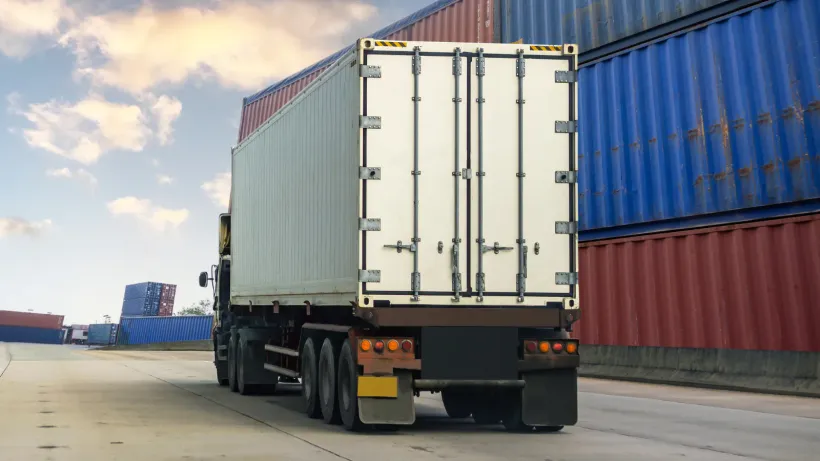
Motor truck cargo insurance covers the freight you haul for others. If the load is lost, damaged, or stolen while it’s in your care, custody, and control, the policy helps pay for it, up to your limit and minus your deductible.
Common covered events include:
- Collision or overturn
- Fire
- Theft, subject to the policy’s conditions
Cargo theft is a real risk in California. According to Overhaul, California accounted for 36% of reported cargo thefts in the U.S. in the first quarter of 2026.
What Cargo Insurance Does Not Cover
| Situation | Cargo insurance? | Coverage you need |
|---|---|---|
| Freight damaged in a rollover | Yes | Cargo |
| Injuries or damage you cause to others | No | Auto liability |
| Damage to your own truck or trailer | No | Physical damage |
| Driving without a load for personal use | No | Non-trucking liability |
Learn how these coverages fit together in our guide to bobtail vs. non-trucking liability insurance.
Common Cargo Insurance Exclusions
Every policy is different, but these exclusions and limits show up often:
- Unattended vehicle: theft may not be covered if the truck was left unattended or unlocked
- Mysterious disappearance: freight that goes missing with no clear event or evidence
- Improper packing or securement
- Wear and tear, rust, or spoilage from the cargo’s own nature
- Reefer breakdown: temperature spoilage is often excluded unless you add an endorsement
- Excluded commodities: some policies exclude certain goods, such as high-value or specialty loads
- Sublimits: lower limits for theft, high-value loads, debris removal, or other costs
Tip: Before you accept a load, make sure what you’re hauling is not excluded on your policy.
Is Cargo Insurance Required?
For household goods movers, yes. FMCSA requires household goods carriers to carry cargo coverage of at least $5,000 per vehicle and $10,000 per occurrence.
For most other freight, FMCSA doesn’t require it. But brokers and shippers usually do. Many won’t tender a load unless you carry at least $100,000 in cargo coverage. Some loads require more.
Before signing with a broker, check their carrier packet for:
- The cargo limit required
- Required endorsements, such as reefer breakdown
- Maximum deductible allowed
- How they want to be listed on your certificate of insurance
For the full list of federal and state coverage rules, see our guide to California truck insurance requirements.
How Much Cargo Coverage Do You Need?
Start with the highest-value load you haul regularly and the limits your brokers require. Then review:
| What to check | Why it matters |
|---|---|
| Limit per load | Must cover the value of your freight |
| Deductible | What you pay before the policy pays |
| Commodities listed | Unlisted or excluded freight may not be covered |
| Reefer breakdown | Needed if you haul temperature-controlled freight |
| Theft conditions | Rules about parking, locks, and unattended trucks |
| Sublimits | Lower limits can apply to certain losses |
What Affects the Cost of Cargo Insurance?
Insurers usually look at:
- The cargo limit you choose
- What you haul: electronics or food cost more to insure than lower-risk freight
- Where you drive: your radius and the routes you run
- Your claims history
- Years in business: new authorities may pay more
- Security practices, such as secure parking and anti-theft devices
For a full look at what drives truck insurance prices, read our guide on commercial truck insurance cost in California.
Frequently Asked Questions
What does motor truck cargo insurance cover?
It covers freight you haul for others that is lost, damaged, or stolen while in your care, custody, and control, up to your policy limit and minus your deductible.
Is cargo insurance required by FMCSA?
Only for household goods carriers, which must carry at least $5,000 per vehicle and $10,000 per occurrence. For most other freight, it’s not federally required, but brokers and shippers usually require it.
How much cargo insurance do brokers require?
Many brokers require at least $100,000 per load. High-value loads may require more. Always check the broker’s carrier packet.
Does cargo insurance cover reefer breakdown?
Not always. Spoilage from a refrigeration breakdown is often excluded unless you add a reefer breakdown endorsement.
Does cargo insurance cover theft?
Usually, yes, but many policies have conditions, such as exclusions for unattended or unlocked vehicles. Review your theft conditions with your agent.
Get Cargo Coverage That Meets Your Broker’s Requirements
Strong Tie Insurance offers motor truck cargo coverage for owner-operators and trucking companies in California. Our bilingual agents can help you choose cargo limits and endorsements that fit the freight you haul. If you have all your documents ready, we can usually quote your truck insurance the same day.
Learn more about our commercial truck insurance, request a trucking insurance quote, or call us at (800) 924-7070. You can also visit one of our 10 offices in Southern California.