


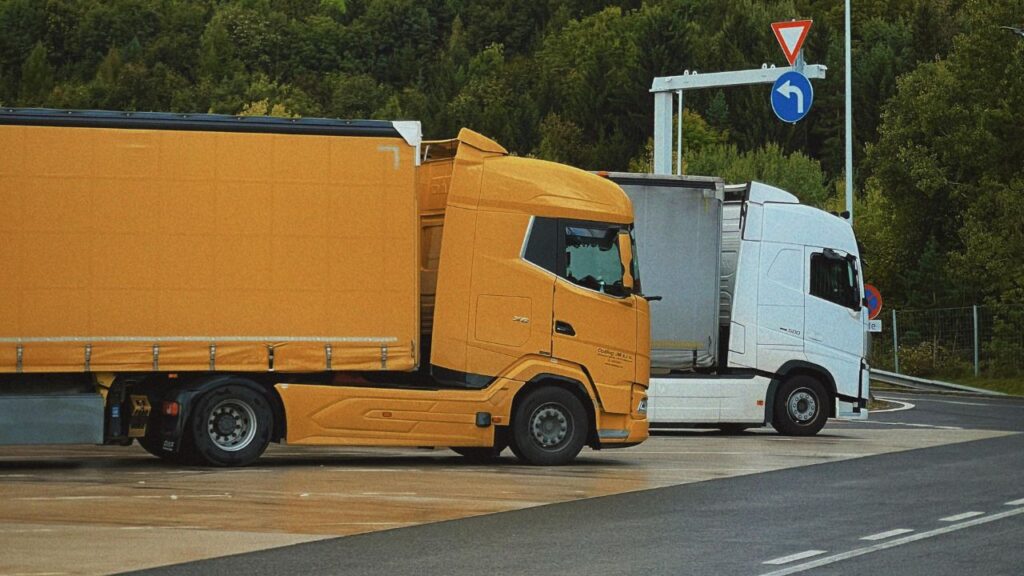
Truckers face numerous risks, both on the road and off. Understanding the distinction between general liability and auto liability insurance is crucial for protecting your business. While auto liability covers road accidents and their associated costs, general liability extends coverage to non-driving operations such as unloading, loading, and premises-related incidents. For owner-operators, having both types of coverage is not just recommended but essential to ensure comprehensive protection. This article dives into the differences between these policies, why both are necessary, and how they protect your business from various risks.
Key Takeaways
- General liability insurance covers non-driving operations like loading, unloading, and business premises protection.
- Auto liability insurance is federally mandated and covers accidents on the road, including bodily injury and property damage.
- Brokers often require both types of coverage to ensure comprehensive protection for trucking operations.
- There are significant coverage gaps in both policies, such as cargo damage, which requires separate coverage.
- Combining both policies is crucial for owner-operators to meet industry standards, secure profitable contracts, and mitigate financial risks.
What Is General Liability Insurance for Truckers, and Why Is It Important?
General liability insurance for trucking protects your business when you’re not behind the wheel. Unlike commercial auto insurance that covers road incidents, this policy handles everything that happens off the road—at docks, facilities, and customer sites. For owner-operators building a sustainable business, understanding this comparison of truck liability is essential.
What Does General Liability Insurance Cover?
General liability covers lawsuits from your non-driving business operations. Motor Truck General Liability (MTGL) pays for third-party bodily injury and property damage claims that occur on business premises or during activities unrelated to driving.
Coverage includes slip-and-fall incidents on your truck or trailer at delivery sites. It also covers property damage during stationary activities—like backing into a loading dock or damaging a warehouse door. Products-completed operations claims fall here too, along with advertising injury claims such as libel or copyright infringement. This protection sits outside your auto liability truck coverage entirely.
How Does General Liability Protect Your Business Beyond the Truck?
General liability extends protection to your entire operation, not just your vehicle. It covers premises liability and non-driving operations that commercial auto insurance excludes completely.
This policy also protects against claims from delivered goods causing damage after you leave. If improperly secured freight falls and damages customer property days later, general liability responds—not your auto policy. Industry standard limits sit at $1M per occurrence with a $2M aggregate. Most brokers and shippers require these minimums before signing contracts.
What Are the Common Claims Covered by General Liability Insurance?
Real-world claims show exactly where general liability applies. A forklift damaging a customer’s dock during loading operations triggers this coverage. So does a pallet falling on a customer employee during unloading.
Trailer damage to property while parked at a customer facility also falls under general liability. Third-party workers injured by equipment you use during unloading represent another common claim. These scenarios happen daily in trucking—and none involve driving. That’s the critical truck liability comparison every owner-operator must understand.
What Is Auto Liability Insurance for Truckers, and Why Do You Need It?
Auto liability truck coverage is the foundation of every trucking insurance portfolio. This policy protects you when accidents happen on the road—the core risk of your business. Unlike general liability insurance, commercial auto insurance responds specifically to driving incidents. It’s federally mandated, and operating without it isn’t an option.
What Does Auto Liability Insurance Cover?
Commercial auto liability covers third-party claims for bodily injury and property damage from at-fault accidents involving your truck. This is your primary liability policy—the one that matters most when collisions happen.
Bodily injury coverage pays medical expenses, lost wages, and pain and suffering for people injured in your accident. Property damage coverage handles repair or replacement costs for other vehicles. It also covers public property damage—guardrails, signs, fences, and infrastructure. This truck liability comparison shows why auto coverage carries higher premiums than general liability: road risks create bigger claims.
How Does Auto Liability Insurance Protect You While on the Road?
Auto liability responds whenever your truck causes damage on public roads during business operations. Highway collisions with passenger vehicles trigger this coverage immediately. Multi-vehicle accidents on interstate highways fall here, too.
Key scenarios include jackknife accidents, striking guardrails, and chain-reaction collisions. Any incident where your moving truck causes harm to others activates your commercial auto insurance. The policy pays for damages and legal defense costs up to your coverage limits. Without adequate protection, a single accident could end your business.
What Are the Risks of Operating Without Auto Liability Insurance?
The Federal Motor Carrier Safety Administration requires minimum liability limits of $750,000 for general freight over 10,001 pounds. California commercial truck insurance requirements align with FMCSA minimums—$750,000 Combined Single Limit for general freight trucks.
But here’s the reality: operating at the legal minimum severely limits your options. The industry standard sits at $1 million, and most brokers won’t work with you for less. Without proper auto liability truck coverage, you face personal financial liability for all damages and legal costs. One serious accident without coverage means bankruptcy. Meeting minimum requirements keeps you legal—meeting industry standards keeps you profitable.
How Do General Liability and Auto Liability Differ for Truckers, and Should an Owner-Operator Carry Both?
Understanding the truck liability comparison between these two policies is critical for owner-operators. They cover completely different risks—and you likely need both. The cost difference is dramatic, but so is the protection gap if you skip one. Here’s how they stack up.
What Are the Key Differences Between General Liability and Auto Liability Insurance?
The fundamental difference comes down to motion versus stationary operations. Auto liability truck coverage protects you while driving. General liability insurance for trucking protects you everywhere else.
| Aspect | Auto Liability |
General Liability |
| Main Purpose | Covers at-fault accidents while driving | Covers non-driving business operations |
| When Active | Truck in motion on public roads | Stationary activities, loading/unloading, premises |
| Average Annual Cost | $9,794 (~94% of liability costs) | $606 (~6% of liability costs) |
| Federal Mandate | Yes (FMCSA required) | No (but contractually required) |
Commercial auto insurance accounts for a significant portion of your premium because road risks tend to result in larger claims. But that 6% spent on general liability fills a coverage gap that could otherwise bankrupt your operation.
Why Do Brokers Often Demand Both Types of Coverage for Truckers?
Most reputable brokers and shippers require proof of general liability before signing contracts. This makes it a de facto requirement for doing business—even without a federal mandate.
The two policies cover different risk domains entirely. Auto liability handles “road risk,” while general liability covers “dock and business risk.” Without GL coverage, you’re exposed to significant financial risk from non-driving incidents. Brokers understand this truck liability comparison and protect themselves by requiring both. If you want access to quality loads, you need both policies.
Should Owner-Operators Consider Carrying Both General Liability and Auto Liability?
Yes—owner-operators with their own authority must secure both primary auto liability and motor truck general liability. There’s no practical alternative for running a legitimate operation.
Skipping GL to save roughly 6% of your total premium exposes you to catastrophic non-driving risks. It also severely limits access to profitable contracts. The good news: general liability can often be bundled with commercial auto insurance at substantial savings. Most insurers offer package discounts when you combine policies. The math is simple—$606 annually for general liability insurance, e-trucking buys protection and contract access worth far more than the premium.
What Are the Coverage Gaps in General Liability and Auto Liability Insurance?
Even with both policies in place, significant gaps exist in your protection. Neither commercial auto insurance nor general liability insurance for trucking covers everything. Understanding this truck liability comparison—including what’s excluded—prevents costly surprises when claims arise. Additional policies fill these gaps.
Are There Gaps in Coverage That Could Leave Your Business Vulnerable?
Auto liability truck coverage excludes more than most owner-operators realize. It won’t pay for damage to your own truck—that requires physical damage coverage. Cargo damage needs a separate motor truck cargo policy. Non-driving business operations fall outside auto liability entirely, as does personal use of your truck.
General liability has its own exclusions. Accidents while your truck is in motion on public roads aren’t covered—that’s auto liability’s domain. Cargo damage falls outside general liability, too. Employee injuries require workers’ compensation coverage. Neither policy creates complete protection alone, and together they still leave gaps that can devastate your business.
How Can You Fill These Gaps With Additional Insurance Coverage?
Physical damage coverage protects your own truck from collision and comprehensive losses. This is essential if your truck is financed or represents significant value. Motor truck cargo insurance covers freight in your care, custody, and control—required by most brokers anyway.
Non-trucking liability fills the gap when primary auto liability is inactive during personal use. If you drive your truck home or run personal errands, you need this coverage. Workers’ compensation or occupational accident insurance covers your own injuries. Commercial auto insurance only pays for injuries you cause to others, not yourself.
Real-World Claim Scenarios That Highlight Coverage Gaps
This truck liability comparison shows exactly which policy responds to common incidents:
| Scenario | Coverage Type | Explanation |
| Accident on Highway | Auto Liability | Truck in motion on a public road |
| Damaging a Dock | General Liability | Stationary business operation |
| Slip-and-Fall at Trailer | General Liability | Third-party injury during a non-driving activity |
| Cargo Shifting Post-Delivery | General Liability (Products-Completed Operations) | Damage occurs after the delivery is completed |
Notice that cargo damage doesn’t appear—because neither policy covers it. General liability insurance for trucking handles the products-completed operations claim only when delivered goods cause property damage, not cargo loss itself. Know your gaps before they become claims.
Why Do Brokers Often Require Both General Liability and Auto Liability Insurance?
California brokers aren’t being difficult when they demand both policies—they’re managing risk. The truck liability comparison between these coverages reveals why one policy can’t do the job alone. Brokers understand that trucking operations involve both road risks and facility risks. They require protection against both before putting their contracts on the line.
How Do Brokers Assess Risk When Recommending Insurance Policies?
Brokers recognize that the boundary between coverages hinges on one key concept: whether the vehicle is “in operation.” Loading and unloading activities blur this line constantly. Is backing into a dock driving or stationary work? The answer determines which policy responds.
In complex cases involving loading and unloading, claims may be reported under both policies simultaneously. This ensures all contract conditions are met regardless of how the incident gets classified. Brokers know these gray areas exist. That’s why they require both auto liability truck coverage and general liability insurance trucking—eliminating arguments about which policy applies when claims arise.
What Are the Benefits of Having Both General Liability and Auto Liability for Trucking Operations?
Combined annual cost runs approximately $10,400 for comprehensive liability protection. That covers commercial auto insurance at roughly $9,794 plus general liability at $606. For that investment, you get complete coverage across all business activities.
Road operations to dock work—everything falls under one policy or the other. This truck liability comparison shows no gaps in third-party protection when you carry both. Most importantly, dual coverage meets virtually all shipper and broker contractual requirements. You won’t lose loads over missing paperwork or inadequate protection.
How Can This Dual Coverage Help With Compliance and Business Continuity?
Always aim for $1 million in auto liability truck coverage to satisfy broker requirements. The $750K federal minimum keeps you legal but limits your options. Brokers and shippers set their own standards, and $1 million is the threshold for quality contracts.
General liability insurance for trucking should also carry $1M per occurrence for own-authority operators. Proper coverage prevents contract rejections before they happen. It maintains business relationships built on trust and professionalism. When claims occur—and they will—adequate coverage keeps your operation running instead of fighting coverage disputes that drain time and money.
What Other Types of Insurance Should Truckers Consider?
Commercial auto insurance and general liability insurance trucking form your liability foundation—but they don’t cover everything. Your truck liability comparison reveals significant gaps that additional policies must fill. Cargo, physical damage, and injury coverage round out a complete insurance portfolio. Here’s what else you need.
What Is Cargo Insurance, and Why Do You Need It?
Motor truck cargo insurance covers freight against loss or damage while in your care, custody, and control. This policy responds when cargo is stolen, damaged in accidents, or destroyed by fire. Neither auto liability truck coverage nor general liability pays for cargo losses.
Typical coverage limits range from $100,000 to $300,000 for owner-operators. Annual cost runs $800–$3,000 for $100K coverage, depending on what you haul and your claims history. Most brokers require cargo insurance before tendering loads, making it effectively mandatory for securing work.
How Does Workers’ Compensation Coverage Benefit Owner-Operators?
Work-related injuries to the driver require specialized coverage. Workers’ compensation or occupational accident insurance pays when you get hurt on the job. This is coverage for yourself, not third parties.
Here’s the critical point: neither commercial auto insurance nor general liability insurance for trucking covers your own injuries. Auto liability pays for people you injure. General liability pays for third parties hurt at facilities. Your broken arm from a fall while unloading? That’s on you without proper coverage. Owner-operators often overlook this gap until an injury sidelines them without income.
Why Is Physical Damage Insurance Important for Your Truck?
Physical damage coverage protects your own equipment through collision and comprehensive policies. Collision covers accident damage. Comprehensive covers theft, fire, vandalism, and weather damage. Auto liability truck coverage only pays for damage you cause to others—not your own truck.
This coverage is required if your truck is financed or leased. Lenders won’t risk their collateral unprotected. Annual cost runs 3%–6% of truck value—roughly $2,400–$4,800 for an $80K truck. Even if you own your truck outright, physical damage coverage protects your most valuable business asset against total loss.
How to Choose the Right Insurance Coverage for Your Trucking Business
Selecting the right commercial auto insurance and general liability insurance for trucking requires balancing protection against cost. Every owner-operator’s situation differs based on operations, finances, and risk tolerance. Understanding what drives premiums—and where to find savings—helps you build adequate coverage without overpaying.
What Factors Should You Consider When Selecting Auto and General Liability Insurance?
Four factors heavily influence your premiums: driving record, authority age, radius of operation, and cargo type. Clean records and established authority get better rates. Regional operations cost less than cross-country runs. General freight costs less to insure than hazmat or high-value loads.
Verify coverage meets federal minimum requirements for your operation type. Confirm it satisfies California state-specific requirements if you operate there. Most importantly, ensure your policy will satisfy broker and shipper contracts. The truck liability comparison matters less if your coverage doesn’t open doors to profitable loads.
Secure Comprehensive Protection for Your Trucking Business.
To maintain a successful and legally compliant trucking operation, it’s vital to carry both general liability and auto liability insurance. While each policy covers different risks, together they offer comprehensive protection against road accidents, business operations, and more. At Strong Tie Insurance, we help you navigate the complexities of trucking insurance to ensure you have the right coverage. Don’t leave your business exposed—reach out today to get a quote and safeguard your future.