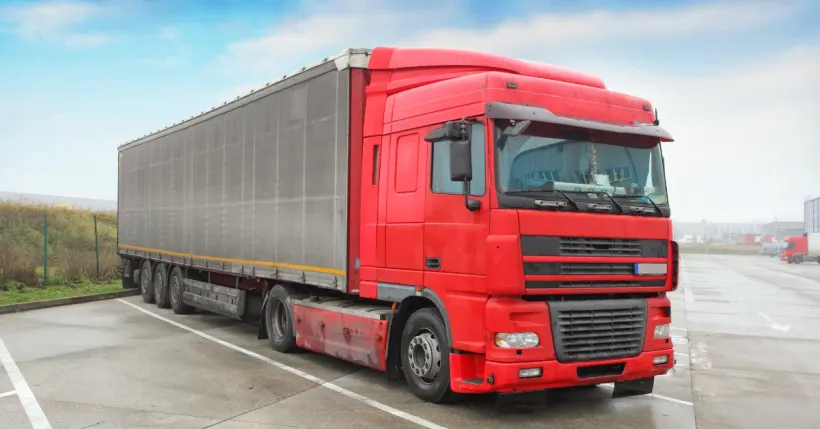
Strong Tie Insurance February 24, 2026 Commercial Truck Insurance Contents hide 1 What Is Short-Haul Commercial Truck Insurance? 1.1 What Counts as Short-Haul Trucking for Insurance Purposes? 1.2 Why Do Local and Regional Routes Usually Fall Under Short-Haul Risk? 1.3 How Do Shorter Driving Distances Affect Commercial Truck Insurance Underwriting? 2 What Is Long-Haul Commercial Truck Insurance? 2.1 What Counts as Long-Haul Trucking for Insurance Purposes? 2.2 Why Do Cross-State and Interstate Routes Create Different Insurance Risks? 2.3 How Do Extended Trips and Overnight Routes Affect Commercial Truck Coverage? 3 What Is the Main Difference Between Short-Haul and Long-Haul Truck Insurance? 3.1 How Does Route Length Change the Level of Insurance Risk? 3.2 Why Does Time on the Road Affect Premium Pricing? 3.3 How Do Operating Radius, State Lines, and Trip Frequency Change Coverage Needs? 4 How Does Your Route Affect Your Commercial Truck Insurance Premium? 4.1 Why Do More Miles Usually Increase the Chance of Claims? 4.2 How Do Traffic Conditions, Road Exposure, and Driver Fatigue Affect Rates? 4.3 Why Can Long-Haul Operations Face Higher Premiums Than Local Trucking Businesses? 5 What Coverage Needs Are Common for Short-Haul Trucking Operations? 5.1 Why Is Primary Liability Still Essential for Local Commercial Trucking Routes? 5.2 When Do Physical Damage and Motor Truck Cargo Coverage Matter for Short-Haul Trucks? 5.3 How Can Workers’ Compensation and General Liability Support Local Trucking Businesses? 6 What Coverage Needs Are Common for Long-Haul Trucking Operations? 6.1 Why Do Long-Haul Trucks Often Need Stronger Cargo and Physical Damage Protection? 6.2 How Can Non-Trucking Liability Matter When a Truck Is Used Outside Dispatch? 6.3 Why Do Longer Routes Increase the Need for Broader Risk Protection Across Multiple States? 7 How Do Insurance Risks Change Between Local Routes and Long-Distance Routes? 7.1 Why Are Dense Urban Deliveries Different from Highway Exposure and Rural Miles? 7.2 How Do Loading Stops, Overnight Parking, and Weather Zones Affect Risk? 7.3 Why Can Cargo Theft, Breakdowns, and Severe Weather Be Bigger Issues on Long-Haul Runs? 8 What Factors Besides Route Length Affect Short-Haul and Long-Haul Insurance Costs? 8.1 How Do Truck Type, Trailer Type, and Cargo Type Change the Premium? 8.2 How Do Driver History, Safety Record, and Years of Experience Affect Pricing? 8.3 How Do Business Size, Filings, and Operating Authority Affect Policy Structure? 9 How Should Trucking Businesses Match Coverage to Their Route Type? 9.1 Should Local Fleets Carry the Same Limits as Interstate Operators? 9.2 Should Owner-Operators Review Coverage Differently From Larger Motor Carriers? 9.3 How Can Businesses Avoid Paying for Coverage Gaps or Unnecessary Protection? 10 What Happens If a Trucking Business Changes From Short-Haul to Long-Haul Routes? 10.1 Why Should You Update Your Insurer When Your Operating Radius Expands? 10.2 How Can a Route Change Affect Your Premium, Underwriting, and Policy Terms? 10.3 What Problems Can Happen If Your Policy Does Not Reflect Your Real Driving Pattern? 11 What Are the Main Steps to Choosing the Right Insurance for Your Route Type? 11.1 Step 1: Define Your Normal Operating Radius and Lane Pattern 11.2 Step 2: Review Cargo, Vehicle, and Driver Risk Exposure 11.3 Step 3: Compare Liability, Cargo, and Physical Damage Needs 11.4 Step 4: Confirm That Your Policy Matches Your Real Business Operations 12 What Should Trucking Businesses Ask Before Buying Short-Haul or Long-Haul Coverage? 12.1 What Mileage or Radius Limits Are Written Into the Policy? 12.2 What States, Routes, or Operating Activities Change the Premium? 12.3 What Endorsements or Added Protections Are Needed for Your Hauling Pattern? 13 What Should You Remember About Short-Haul vs. Long-Haul Commercial Truck Insurance? 13.1 Why Does Route Type Directly Shape Both Premium and Coverage Needs? 13.2 Why Can the Right Policy Depend on Distance, Cargo, and How the Truck Is Really Used? 14 Your Route Has Changed. Has Your Coverage Kept Up? Commercial trucking moves 72% of domestic freight. One bad accident can produce a claim over $10 million. Your route determines your risk, and your risk determines your premium. Here is what you need to know. Key Takeaways: Short-haul is defined as within 150 air miles of home base; long-haul typically exceeds 250 miles, and that distinction directly determines your premium, filings, and required coverage. Long-haul total annual premiums run approximately 73% higher than short-haul due to greater mileage, multi-state exposure, and higher-severity accident environments. Most brokers require $1,000,000 in liability regardless of the FMCSA’s $750,000 minimum, making it the effective industry standard for any interstate operation. Operating under a short-haul policy while running long-haul routes can result in a denied claim on grounds of material misrepresentation. Documented safety programs and telematics data sharing can reduce commercial truck insurance costs by 17% to 40%, making them the highest-ROI tools available at renewal. What Is Short-Haul Commercial Truck Insurance? Short-haul insurance covers trucks operating close to home base. Lower mileage means lower risk, and insurers price it that way. What Counts as Short-Haul Trucking for Insurance Purposes? The FMCSA defines short-haul as operations within 150 air miles of the driver’s home terminal. Drivers return to base daily. Common vehicles include box trucks, straight trucks, and small flatbeds used for local deliveries and regional distribution. Why Do Local and Regional Routes Usually Fall Under Short-Haul Risk? Short-haul drivers qualify for an ELD exemption under 49 CFR 395.1(e)(1) if they stay within the radius and finish shifts within 14 hours. That exemption signals lower fatigue risk to underwriters, which keeps premiums down. How Do Shorter Driving Distances Affect Commercial Truck Insurance Underwriting? Short-haul operators log 30,000 to 60,000 miles annually. Fewer miles mean fewer accident opportunities. The total annual package runs $7,500 to $11,000. What Is Long-Haul Commercial Truck Insurance? Long-haul commercial truck insurance covers operations that cross state lines and keep drivers on the road for days at a time. The risk profile is fundamentally different from regional work. What Counts as Long-Haul Trucking for Insurance Purposes? Long-haul means interstate routes typically exceeding 250 miles. The standard vehicle is a Class 8 tractor-trailer rated to 80,000 lbs. These operators log 100,000 to 150,000 miles per year. Why Do Cross-State and Interstate Routes Create Different Insurance Risks? Routes through California, Florida, and Texas carry higher risk scores due to litigation environments. FMCSA data shows 54% of fatal large truck crashes happen in rural areas and 27% on interstates, both environments dominated by long-haul operations. Fatal large truck crashes rose 25% between 2016 and 2022. How Do Extended Trips and Overnight Routes Affect Commercial Truck Coverage? Long-haul drivers face the full HOS framework: 11-hour driving limit, 14-hour on-duty window, and mandatory 30-minute breaks after 8 cumulative hours. HOS violations are underwriting red flags. A history of violations can raise your premium or cost you a renewal. What Is the Main Difference Between Short-Haul and Long-Haul Truck Insurance? Route length is the single biggest variable in truck insurance pricing. Long-haul costs roughly 73% more than short-haul in total annual premiums. How Does Route Length Change the Level of Insurance Risk? Short-haul packages run $7,500 to $11,000 per year. Long-haul packages run $13,200 to $18,750. The gap reflects more miles, harder road conditions, and higher-severity accident environments. Why Does Time on the Road Affect Premium Pricing? The FMCSA lists driver fatigue as a leading cause of large truck crashes. Insurers check ELD data, MVRs, and your FMCSA Safety Measurement System score at underwriting. A clean record has real dollar value at renewal. How Do Operating Radius, State Lines, and Trip Frequency Change Coverage Needs? The FMCSA minimum is $750,000 in BIPD liability. Most brokers require $1,000,000 regardless. Long-haul operators who haul non-owned trailers also need trailer interchange coverage, a requirement short-haul operators rarely face. How Does Your Route Affect Your Commercial Truck Insurance Premium? More miles equal more exposure, and more exposure equals higher premiums. The numbers back that up. Why Do More Miles Usually Increase the Chance of Claims? Truck insurance premiums hit a record high of $10.20 per mile in 2024, the fifth consecutive year of increases. Q1 2025 showed a 5.8% year-over-year jump. Every additional 10,000 miles adds material exposure to your policy. How Do Traffic Conditions, Road Exposure, and Driver Fatigue Affect Rates? Short-haul operators face urban congestion and cargo theft. Long-haul operators face highway fatigue, severe weather corridors, and multi-state compliance. Short-haul premiums rose 3 to 5% in 2025. Long-haul rose 5 to 8%. Why Can Long-Haul Operations Face Higher Premiums Than Local Trucking Businesses? Nuclear verdicts in trucking lawsuits increased 235% since 2012. U.S. commercial auto rates jumped 9% in 2025. Umbrella and excess liability for trucking fleets spiked 18%. Cargo theft losses hit $725 million in 2025, up 60%. Long-haul operators absorb the most pressure from all of these trends. What Coverage Needs Are Common for Short-Haul Trucking Operations? Short-haul operators carry a leaner coverage stack, but skipping the basics is still a costly mistake. Why Is Primary Liability Still Essential for Local Commercial Trucking Routes? Primary auto liability is federally mandated for all for-hire carriers regardless of route length. Short-haul primary liability runs $3,500 to $5,000 per year. Cargo insurance is not federally required for general freight, but brokers universally require a $100,000 minimum. When Do Physical Damage and Motor Truck Cargo Coverage Matter for Short-Haul Trucks? Physical damage coverage costs 3% to 6% of the truck’s stated value annually. For short-haul operations that means roughly $2,500 to $4,000 per year. Cargo coverage adds $700 to $1,200. Urban routes have elevated theft risk, making cargo coverage a practical necessity even without a mandate. If your truck is out of service, downtime coverage can protect your income while repairs are made. How Can Workers’ Compensation and General Liability Support Local Trucking Businesses? General liability for short-haul operations runs $500 to $700 per year. Workers’ compensation is legally required for employers in most states. Bobtail coverage adds $300 to $400 and protects you during the miles you drive outside of active dispatch. What Coverage Needs Are Common for Long-Haul Trucking Operations? Long-haul operators need broader protection across more risk categories. The coverage stack grows alongside the miles. Why Do Long-Haul Trucks Often Need Stronger Cargo and Physical Damage Protection? Long-haul operators typically carry cargo limits of $150,000 to $250,000 to satisfy shipper contracts. Cargo premiums run $1,100 to $1,800 per year. New Class 8 tractors cost $100,000 to $200,000, with reefer trailers adding $50,000 to $100,000 on top. Physical damage premiums for long-haul run $4,500 to $6,500 annually. How Can Non-Trucking Liability Matter When a Truck Is Used Outside Dispatch? Bobtail insurance covers owner-operators when the truck is moving without a trailer or outside of dispatch, including trips to the fuel stop, mechanic, or home. Long-haul bobtail runs $450 to $550 per year. Without it, an off-dispatch accident is fully out of pocket. For owner-operators managing a full business insurance stack, this is a gap worth closing. Why Do Longer Routes Increase the Need for Broader Risk Protection Across Multiple States? Long-haul primary liability premiums run $6,500 to $9,000 per year. Operators under their own authority must file BMC-91 and BOC-3 forms with FMCSA. Given nuclear verdict exposure, carrying at least $1,000,000 in primary liability with a $2,000,000 to $5,000,000 umbrella is strongly advisable on interstate runs. How Do Insurance Risks Change Between Local Routes and Long-Distance Routes? The type of risk shifts as your operating radius grows. Urban exposure and highway exposure are not the same problem. Why Are Dense Urban Deliveries Different from Highway Exposure and Rural Miles? Short-haul urban routes mean congestion, frequent stops, dock liability, and cargo theft. Long-haul highway routes mean higher impact speeds, fatigue-related crashes, and more severe accident outcomes. Both carry real risk but require different coverage emphasis. How Do Loading Stops, Overnight Parking, and Weather Zones Affect Risk? Every loading stop adds dock accidents and cargo damage exposure. Overnight parking creates theft and comprehensive damage risk that same-day operators never face. Long-haul routes cross more weather zones, including mountain passes and winter corridors, that short-haul routes typically avoid. Why Can Cargo Theft, Breakdowns, and Severe Weather Be Bigger Issues on Long-Haul Runs? The global commercial truck insurance market is projected to grow from $167 billion in 2026 to $341 billion by 2035. That growth is driven by rising long-haul claims, escalating severity, and regulatory expansion. Over 13.5 million commercial trucks are registered in the U.S., including 3.7 million Class 8 vehicles. The market is large, competitive, and hardening. What Factors Besides Route Length Affect Short-Haul and Long-Haul Insurance Costs? Route is the biggest variable, but it is not the only one. Truck type, driver record, and business structure all move the number. How Do Truck Type, Trailer Type, and Cargo Type Change the Premium? Physical damage on a full semi-truck setup runs $4,500 to $12,000 per year depending on vehicle value and use. Specialized cargo such as hazmat or oversized loads triggers higher liability minimums and mandatory endorsements that standard dry van policies do not require. How Do Driver History, Safety Record, and Years of Experience Affect Pricing? Documented safety programs can reduce insurance costs by 20% to 40%. Telematics adoption reached 46% of U.S. commercial fleets by the end of 2023, and fleets sharing telematics data saved an average of 17% on premiums. A clean MVR and active ELD data are among the most valuable assets an owner-operator brings to a renewal negotiation. How Do Business Size, Filings, and Operating Authority Affect Policy Structure? Fleet operators with 10 or more trucks access volume pricing unavailable to individual owner-operators. Solo operators typically pay $8,000 to $22,000 annually for a full package. Working with an independent broker who shops multiple underwriters is the most direct way to close that rate gap. Learn what to expect when insurers review your operation by reading about the trucking insurance audit process. How Should Trucking Businesses Match Coverage to Their Route Type? Right-sized coverage means no gaps and no wasted premium. The fit depends on how the truck actually operates. Should Local Fleets Carry the Same Limits as Interstate Operators? No. Short-haul fleets operating in a single state face different liability exposure than interstate carriers. Confirm your policy territory matches your real routes. Long-haul carriers should carry at least $1,000,000 in primary liability given broker requirements and the nuclear verdict environment. Should Owner-Operators Review Coverage Differently From Larger Motor Carriers? Yes. Owner-operators under their own authority manage filings, compliance, and coverage independently. Progressive’s Smart Haul program saves new customers an average of $1,261 when they share ELD data. Individual operators who engage with telematics-based underwriting consistently see better rates than those who do not. How Can Businesses Avoid Paying for Coverage Gaps or Unnecessary Protection? Verify that mileage classification, operating radius, state territory endorsements, and cargo descriptions all reflect actual operations. Misclassification causes two problems: overpayment when things go right and a denied claim when things go wrong. An annual policy review eliminates both. What Happens If a Trucking Business Changes From Short-Haul to Long-Haul Routes? Growing your routes without updating your policy is one of the most common and costly mistakes in trucking. Why Should You Update Your Insurer When Your Operating Radius Expands? Expanding beyond 150 air miles changes your mileage exposure, HOS obligations, ELD requirements, and state territory all at once. These are all underwriting variables. Operating under a short-haul policy on long-haul routes can result in a denied claim on grounds of material misrepresentation. How Can a Route Change Affect Your Premium, Underwriting, and Policy Terms? Moving into new states adds litigation exposure. California, Texas, and Florida consistently carry higher insurer risk scores. Crossing into those states without a territory endorsement in place creates a coverage gap that may not surface until a claim is filed. What Problems Can Happen If Your Policy Does Not Reflect Your Real Driving Pattern? Insurers treat unreported route changes as misrepresentation. It is one of the most common causes of claim disputes for owner-operators who expand their lanes without formally updating coverage. A phone call to your broker before you change your operating pattern costs nothing. A denied claim costs everything. What Are the Main Steps to Choosing the Right Insurance for Your Route Type? Getting coverage right is a four-step process. It starts with knowing how your truck actually operates. Step 1: Define Your Normal Operating Radius and Lane Pattern Determine whether your regular operations stay within the FMCSA’s 150-air-mile short-haul threshold or consistently exceed 250 miles. Map your lanes. Identify every state in your corridor. That geography drives most of the differences in required filings, territory endorsements, and premium structure. Step 2: Review Cargo, Vehicle, and Driver Risk Exposure Assess the current replacement value of your truck and trailer. Review your cargo types and the per-load values you regularly haul. Brokers require a $100,000 minimum cargo limit, but high-value loads may require $250,000 or more to satisfy shipper contracts. Step 3: Compare Liability, Cargo, and Physical Damage Needs Stack your liability limits against the FMCSA floor of $750,000 and the $1,000,000 broker standard. Identify operation-specific coverages: Bobtail for owner-operators, trailer interchange for non-owned equipment, and occupational accident for independent operators without workers’ comp. Step 4: Confirm That Your Policy Matches Your Real Business Operations Verify that mileage classification, operating radius, state territory, and cargo descriptions align with how the truck is actually used. Schedule an annual review with your broker. This is the single most effective habit for long-term premium management. Get in touch to review your current coverage and see where you stand. What Should Trucking Businesses Ask Before Buying Short-Haul or Long-Haul Coverage? The right questions upfront prevent expensive surprises after a claim. What Mileage or Radius Limits Are Written Into the Policy? Ask exactly how the policy classifies your operation and what radius or mileage threshold triggers a reclassification. Confirm which FMCSA filings and compliance documents are required under your classification and whether they are reflected in the policy terms. What States, Routes, or Operating Activities Change the Premium? Ask which states in your corridor are flagged for elevated litigation risk. Ask whether seasonal weather exposures in your lanes are addressed in the territory language. These details affect both your rate and your coverage in the event of a claim. What Endorsements or Added Protections Are Needed for Your Hauling Pattern? Long-haul owner-operators should confirm Bobtail and Trailer Interchange coverage. Semi-truck operators should ask whether their physical damage limits reflect current truck value and whether their cargo policy covers every commodity type they haul. What Should You Remember About Short-Haul vs. Long-Haul Commercial Truck Insurance? Route type shapes both your premium and your coverage needs more than any other single variable. Why Does Route Type Directly Shape Both Premium and Coverage Needs? More miles, more states, and more time on the road all translate directly into higher insurer risk scores. Long-haul total annual premiums run about 73% higher than short-haul. That gap reflects real differences in mileage, accident severity, and nuclear verdict exposure, not arbitrary pricing. Why Can the Right Policy Depend on Distance, Cargo, and How the Truck Is Really Used? The right commercial truck policy is built on three things: how far the truck goes, what it carries, and how it is actually operated day to day. A policy that misrepresents any of those three dimensions creates financial risk at the worst possible moment. Match your coverage to your real operation and review it every year. That discipline is the foundation of a trucking business built to last. Your Route Has Changed. Has Your Coverage Kept Up? Whether you run tight regional lanes or push cross-country freight, the wrong policy at the wrong moment can end a trucking business overnight. Getting coverage right is not complicated, but it does require working with someone who knows trucking from the ground up. Strong Tie Insurance has spent 20 years protecting owner-operators, fleets, and commercial carriers across California and beyond. No broker fees. No guesswork. Just experienced agents who shop the market and build coverage that actually fits how you operate. Talk to a Strong Tie agent today and get a policy that keeps your rig rolling and your business protected. Short-Haul vs. Long-Haul Insurance for Commercial Trucks: How Your Route Affects Your Premium and Coverage Needs was last modified: April 6th, 2026 by Strong Tie Insurance Related posts:New DOT Number? Here’s Why Your Insurance Quote Might Be HigherA Step by Step Guide to Filing Truck Insurance ClaimsHow Compliance Requirements in California Impacts the Trucking Industry